Project Background
After the Model Floor Passed, Backup Still Had to Match the Reopening Guest Experience
During final MEP coordination, the model guest floor had passed internal acceptance and the lobby desk, lock management, communications and surveillance were under integration testing. The equipment plan listed the generator, ATS, switchboards and attenuation, but had not yet connected generator quality with the order of service recovery after an outage.
Engineering returned the discussion to opening-day reality. During a night outage, guests first need elevator evacuation, basic lighting, card locks, front-desk service, water pressure and security. Excessive noise, inefficient low-load running, poor exhaust or inadequate service space will amplify guest impact and duty pressure even when the load schedule looks complete.
Hotel backup creates value by supporting essential services quietly and steadily without exposing guests to engineering risk.
Challenges and Requirements
Noise, Fuel Efficiency, Exhaust and Essential-Service Handoff Became One Delivery Requirement
The first recovery goal is guest safety, movement, water and front-desk response. Fire-security, emergency lighting, surveillance, lock management, front-desk network, intercom and essential communications transfer first. Essential elevators, water pumps, hot water, front-desk processing, selected kitchen cold chain and basic public lighting follow. Whole-building HVAC, banquet lighting, laundry, landscape and noncritical back-of-house loads connect later.
Hotel operation creates generator-specific constraints. Night testing and low-load duty affect fuel and maintenance; near rooms or service corridors, enclosure attenuation, airflow silencers, exhaust height, vibration isolation and door clearance must be confirmed early. Waiting until delivery risks rework to exhaust, attenuation and lifting access after finishes are complete.
Reliable starting, low noise, efficient fuel use, adequate cooling, clear exhaust and controller records.
Restore elevators, water, front-desk locks, security, communications and basic lighting in sequence.
Make room location, noise limits, test timing, refueling, lifting and service access practical.
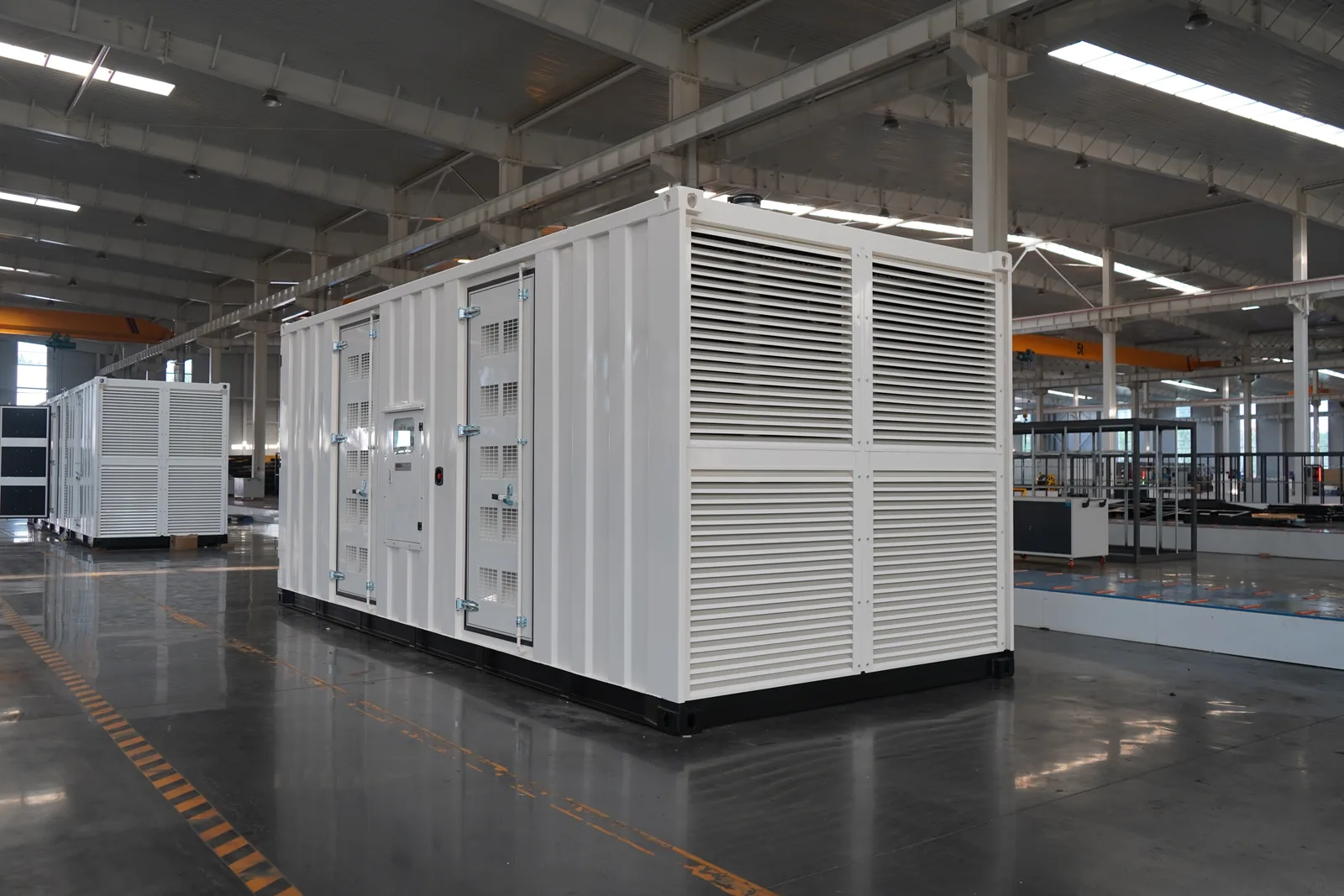
Generator-Set Solution
Select the Generator for Quiet, Reliable, Efficient and Duty-Friendly Operation
The diesel set is the core of hotel backup. The engine must start reliably and hold speed as elevators, water pumps and front-desk systems connect. Alternator and AVR must limit voltage variation affecting locks, surveillance, networks and reception. The controller must record start, run, alarm, shutdown and test status for engineering handover.
Fuel efficiency is judged against real hotel duty, not a nominal figure. Night low load, daytime services, events and opening tests differ sharply. Staged loading, test frequency, phased room opening and maintenance windows were combined to reduce carbon and service pressure from sustained low load.
Noise and exhaust are central to hotel design. Near rooms, service corridors or neighbors, the plan confirms enclosure attenuation, airflow silencers, exhaust height, isolation, tank and door clearance. Engine, alternator, controls, cooling, fuel, enclosure, wiring and consumable access together define complete-set quality.
- 01Judge reliability across engine, alternator, controller, cooling, fuel, enclosure and wiring.
- 02Assess fuel use across night low load, opening tests, events and phased guest-room opening.
- 03Assess noise through guest experience: enclosure, silencers, isolation, exhaust and access reduce complaints and rework.
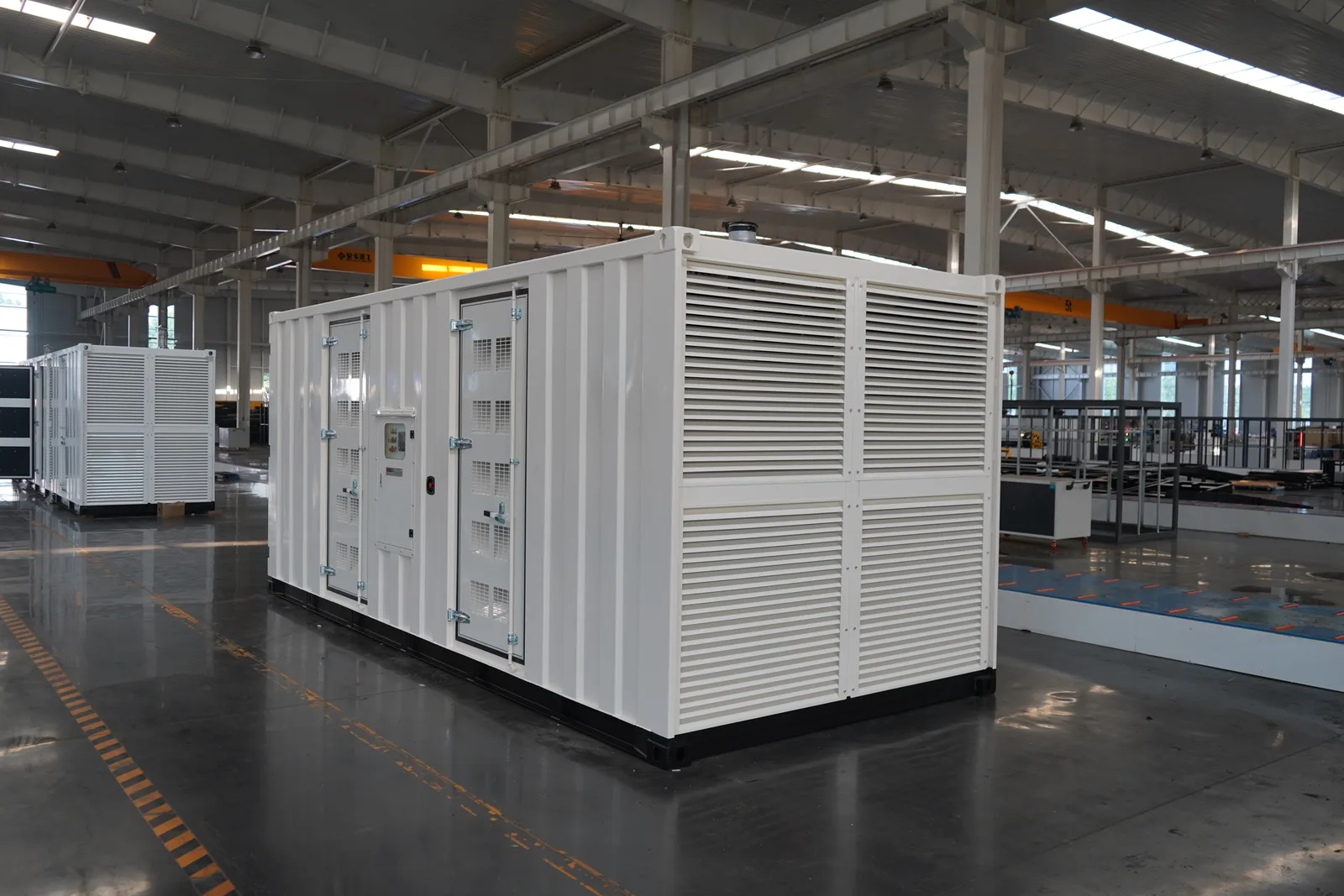
Power-System Solution
ATS, Low-Voltage Zones and UPS Coordination Followed Essential-Service Recovery
After generator selection, loads were split into three tiers. Fire-security, emergency lighting, locks, front-desk network, surveillance, intercom and essential communications first. Essential elevators, water pumps, hot water, reception, public lighting and kitchen cold chain next. Whole-building HVAC, banquet décor, laundry, landscape and noncritical back-of-house equipment later.
ATS scope followed load tiers and feeders clearly identified floors, reception, communications, kitchen, water and elevators. Where front-desk, lock and communications systems used UPS, the ride-through window to stable generator output was verified. Fuel runtime covered tank, refueling, test timing and cost.
Fire-security, emergency lighting, locks, front-desk network, surveillance, intercom and essential communications.
Essential elevators, water pumps, hot water, front-desk processing, public lighting and kitchen cold chain.
Whole-building HVAC, banquet décor, laundry, landscape lighting and noncritical back-of-house equipment.
Professional Engineering Services
From Generator-Room Completion to Opening Tests, Engineering Turned Delivery into Service Assurance
Inputs included guest floors, elevator and pump starting, front-desk lock systems, kitchen cold chain, communications rooms, airflow, exhaust, noise limits, refueling, lifting and service space. Outputs defined generator form, margin, attenuation, ATS scope, feeders and test method.
After arrival, service confirmed isolation, airflow, exhaust, fuel, grounding, controls, ATS and access. Commissioning recorded no-load start, staged loading, transfer, voltage-frequency, oil pressure, coolant temperature, alarms and corrections so ownership, engineering, front office and security could understand handover.
- 01Before arrival, confirm dimensions, lifting route, foundation, exhaust, noise boundary and service space.
- 02During installation, confirm fuel, cables, grounding, controls, ATS interface, ventilation and fire-safety limits.
- 03At handover, confirm start, loading, transfer, front-desk locks, water, elevators, alarm records and operator transfer.
After-Sales and Operations Support
After Opening, Continue Tracking Tests, Fuel, Noise, Alarms and Spares
After handover, engineering records hours, starts, load factor, fuel use and level, battery voltage, coolant, controller alarms, ATS state, ventilation and exhaust on a fixed form. Remote monitoring provides early visibility; otherwise periodic photographs and records preserve it.
Spares follow hotel operations. Filters, belts, batteries, sensors, chargers, controller parts, electrical items and consumables are listed by model. Before peak season, events and higher night-outage risk, service checks generator, fuel, ATS, water, elevators, locks and communications against handover records.
Results and Feedback
The Hotel Gained Quieter Backup and a Clearer Essential-Service Recovery Plan
After adjustment, backup changed from an equipment list into an opening-assurance package. Engineering could explain the configuration, service priorities, low-load testing and fuel management, noise and exhaust control, and ownership of future maintenance records.
The result was practical: equipment quality had evidence, noise and room limits were clear, elevator, water, locks and security recovery was defined, tests were traceable, and after-sales service had a fixed rhythm. That is closer to reliable hospitality than simply receiving equipment.
Good hotel backup construction brings the generator, transfer system, essential guest services and operating records into daily engineering management.