Shopping-Center Standby Power

A Shopping-Center Outage Spreads from Equipment Failure to Business and Safety Loss

Shopping-center backup power must support POS, fire and security, elevators and escalators, parking, food refrigeration, common lighting and crowd evacuation. The priorities are business continuity, tenant-loss control and dependable inspection before peak periods.

POS / CheckoutFire and Security SystemsElevators and ParkingPre-Holiday Inspection

Core Risk

Shopping-Center Backup Power Must Protect Operations, Not Just the Plant Room

An outage affects tenant transactions, customer evacuation, fire and security, refrigerated goods, elevators, parking and brand experience. The plan must define load priorities, ATS transfer, noise and exhaust, fuel runtime and local response in advance.
  • Prioritize fire systems, security, emergency lighting, evacuation elevators and POS transactions.
  • Review starting, ATS, fuel level and alarms before peak trading, holidays and major events.
  • Adjust fuel runtime, low-voltage distribution and inspection frequency to the tenant mix and share of refrigerated food service.
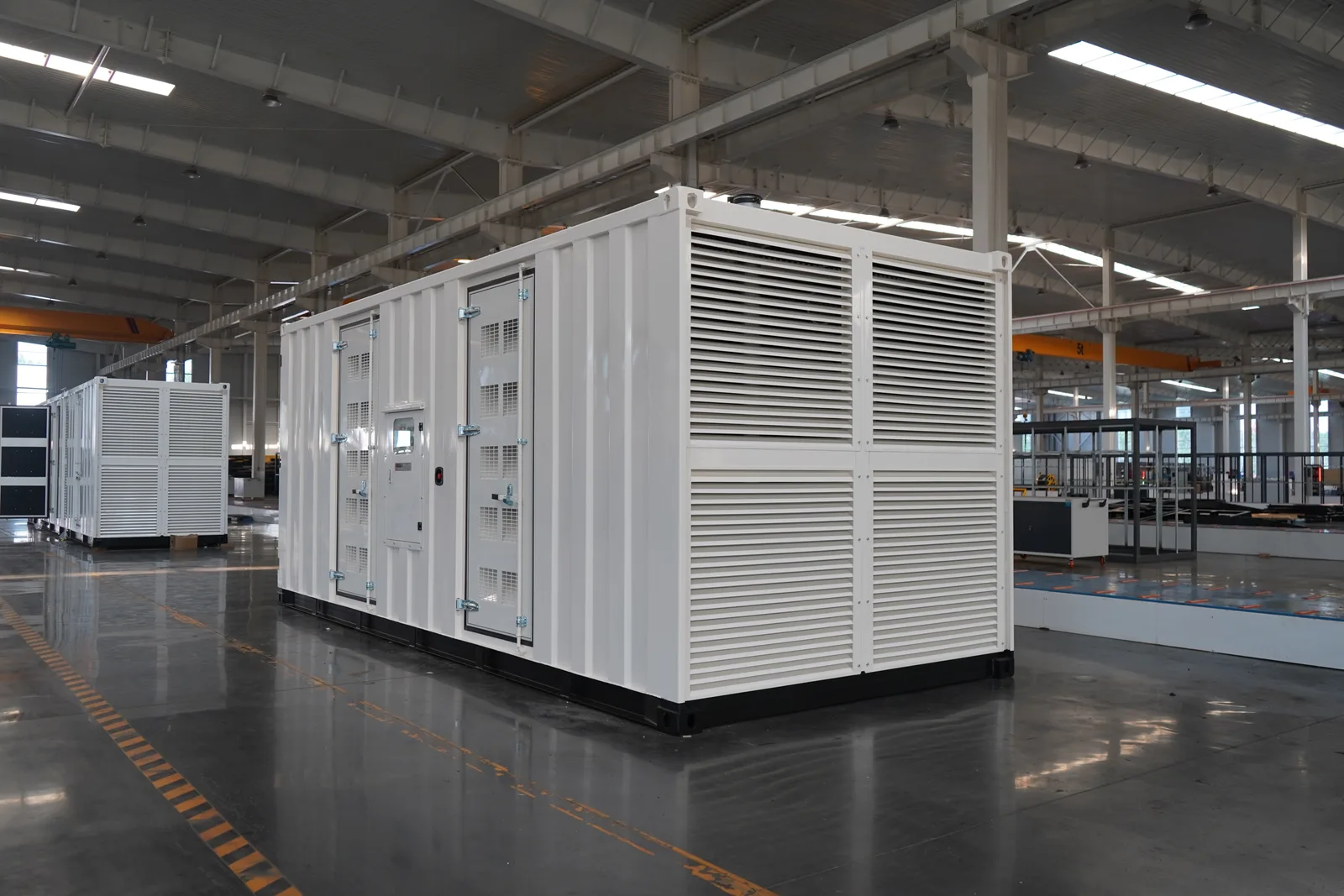
Outdoor Sound-Attenuated Generator Set for a Shopping Center

Outage Scenarios

Start the Shopping-Center Review with Who Is Affected First

POS and Tenant Checkout

Site Scenario
Supermarkets, food service, retail stores and customer desks depend on checkout, network and payment systems during trading hours.
Outage Consequence
Interrupted transactions, queues, tenant complaints and lost revenue.
Configuration Priority
POS network, low-voltage systems room and UPS-to-generator handoff window.
Information Required
Tenant count, POS and network-room loads, and peak trading periods.
View Scenario Details

Fire, Security and Emergency Lighting

Site Scenario
Fire alarm panels, sprinkler pumps, surveillance, public address, access control and emergency lighting must remain operational.
Outage Consequence
Evacuation and security capability decline, increasing compliance and site-liability risk.
Configuration Priority
Dedicated life-safety circuits, ATS testing, distribution labeling and periodic records.
Information Required
Fire-pump data, security-system list and distribution single-line diagram.
View Scenario Details

Elevators, Escalators and Crowd Evacuation

Site Scenario
Multilevel retail complexes, underground parking, cinemas and food floors depend on elevators and escalators for crowd movement.
Outage Consequence
People may become stranded, complaints increase, evacuation becomes harder and site-management pressure rises.
Configuration Priority
Elevator circuits, starting impact, emergency operating strategy and recovery sequence.
Information Required
Elevator and escalator quantity and rating, and whether all units run or only evacuation service is retained.
View Scenario Details

Parking, Access Control and Payment Systems

Site Scenario
Underground-parking gates, lighting, ventilation, payment and license-plate recognition must remain available.
Outage Consequence
Vehicle congestion, queues, complaints, security pressure and cash or payment risk.
Configuration Priority
Parking low-voltage systems, ventilation circuits, emergency lighting and low-voltage distribution zones.
Information Required
Parking-space count, number of parking levels, and gate and ventilation ratings.
View Scenario Details

Refrigeration, Food Service and Supermarkets

Site Scenario
Supermarket display cases, food-service cold rooms, kitchen exhaust and water pumps need tiered backup during an outage.
Outage Consequence
Food spoilage, kitchen shutdown, tenant losses and hygiene risk.
Configuration Priority
Refrigeration circuits, starting impact, fuel runtime, level alarms and refueling plan.
Information Required
Refrigeration equipment list, food-service share and target runtime.
View Scenario Details

Holidays and Major Events

Site Scenario
Electrical load and footfall rise together before promotions, holidays, exhibitions and cinema peaks.
Outage Consequence
One outage can magnify tenant compensation, reputational and security costs.
Configuration Priority
Pre-event inspection, test run, ATS transfer, fuel level, spare parts and service standby.
Information Required
Annual peak calendar, inspection frequency and whether a dedicated pre-event inspection is required.
View Scenario Details

Shopping-Center Engineering Topics

Use Real Operating Scenarios to Understand Outage Loss and Configuration Boundaries

Each topic covers the site problem, review priorities, configuration logic and required inputs so property, engineering and operations teams can align on the backup-power plan.

01 / POS

For Continuous POS and Checkout, the Low-Voltage Systems Chain Must Transfer Too

Review business continuity through tenant checkout, payment networks, low-voltage systems rooms and the UPS handoff window.

Read Topic

02 / Fire and Security

How to Review Life-Safety Segmentation for Fire, Security and Emergency Lighting

Verify that fire pumps, surveillance, public address, access control, emergency lighting and ATS test records form a complete chain.

Read Topic

03 / Elevator Evacuation

Which Elevators and Escalators Must Recover First for Crowd Evacuation?

Review emergency elevator operation, starting impact, fire-service elevators and underground-parking access.

Read Topic

04 / Parking and Payment

How to Prevent Exit Congestion When Parking, Access and Payment Lose Power

Review gates, plate recognition, payment systems, underground ventilation and low-voltage UPS.

Read Topic

05 / Refrigeration and Food Service

Temperature Risk and Fuel Runtime for Refrigeration, Food Service and Supermarkets

Include display cases, cold rooms, kitchen exhaust, water pumps, fuel tanks and refueling access in one plan.

Read Topic

06 / Peak Events

Why Backup Power Needs a Dedicated Inspection Before Holidays and Major Events

Review the test run, ATS transfer, fuel level, spare parts, temporary loads and local service standby.

Read Topic

Critical-load priorities

Protect Safety and Transactions First, Then Restore Experience Loads in Stages

Immediate Protection

Safety and Essential Trading

Fire and security, emergency lighting, public address, access control, core low-voltage systems, POS and critical elevator evacuation.

Zonal Recovery

Operational Recovery

Parking payment, selected lighting, refrigeration and food service, water and drainage, ventilation and priority tenant circuits connect in stages by trading zone.

Load-Limited Operation

Recovery Can Be Delayed

Comfort cooling, decorative lighting, noncritical store circuits and selected escalators recover according to available capacity and fuel runtime.

System Configuration Guidance

Include Peak Trading and Service Response in the Shopping-Center Configuration

Generator Set

Size by Zonal Loads, Not Total Floor Area

Use tenant type, refrigeration and food-service share, parking levels and life-safety loads to select open, sound-attenuated or containerized sets.

ATS Transfer

Ensure Automatic Recovery of Critical Circuits

Define utility/generator transfer logic, test intervals, manual bypass and priority for fire and security circuits.

Low-Voltage Distribution

Segment by Tenant and Common Systems

Separate POS, low-voltage systems, fire systems, elevators, refrigeration and common lighting from general tenant loads.

Noise and Exhaust

Review Early for Urban Commercial Sites

Confirm generator location, airflow, exhaust, service access and noise requirements for adjacent tenants or residents.

Fuel Autonomy

Plan Refueling Around Peak Trading

Confirm day and bulk tanks, level alarms, refueling access and a refueling method that does not interrupt trading.

Inspection and Service

Dedicated Pre-Holiday Inspection

Use remote monitoring and local inspection to identify battery, fuel-level, cooling, ATS and alarm issues early.

Related Configurations and Cases

Connect Shopping-Center Equipment, Cases and Pre-Peak Inspection

Translate business continuity into specific product modules and project evidence so property, engineering and tenant-management teams can define configuration boundaries.

Country Engineering Paths

Compare Retail Backup-Power Conditions by Country

Tenant loads, cold chain, public safety, local grid behavior, fuel autonomy and service access vary by market. Review the country-specific engineering path before final configuration.

Property Information

  • Country, city, shopping-center area, floor count and parking levels.
  • Peak trading periods, holiday events and tenant mix.
  • Generator location, noise and exhaust restrictions.

Load Information

  • Fire, security, POS, low-voltage, elevator, refrigeration and parking loads.
  • Estimated kVA, voltage and frequency, and photos of existing ATS or switchboards.
  • Target runtime and refueling conditions.

Service Information

  • Inspection frequency, pre-event inspection needs and existing maintenance records.
  • Whether remote monitoring, local inspection and a spare-parts kit are required.
  • Service-response city, site-access rules and property procedures.

Get a Shopping-Center Backup-Power Configuration Recommendation

Share the country and city, application, required rating or critical loads, installation environment and current issue to receive professional recommendations on product selection, system scope and implementation conditions.

Get Engineering Support