Hotel Standby Power

A Hotel Outage Affects the Guest Experience Before It Becomes an Equipment Issue

Hotel backup power must support guest rooms, elevators, kitchens, air conditioning, water systems, security and the front desk, with particular attention to quiet nighttime transfer, fuel runtime, noise control and service response.

Guest ExperienceLow NoiseNighttime TransferFuel Autonomy

Core Risk

Hotel Backup Power Should Be Unobtrusive for Guests and Manageable for the Engineering Team

A hotel outage immediately affects room lighting, door locks, front-desk systems, elevators, water supply, kitchens and security. The design must balance noise, exhaust, nighttime transfer, load priorities and fuel runtime so one outage does not turn into widespread complaints and refunds.
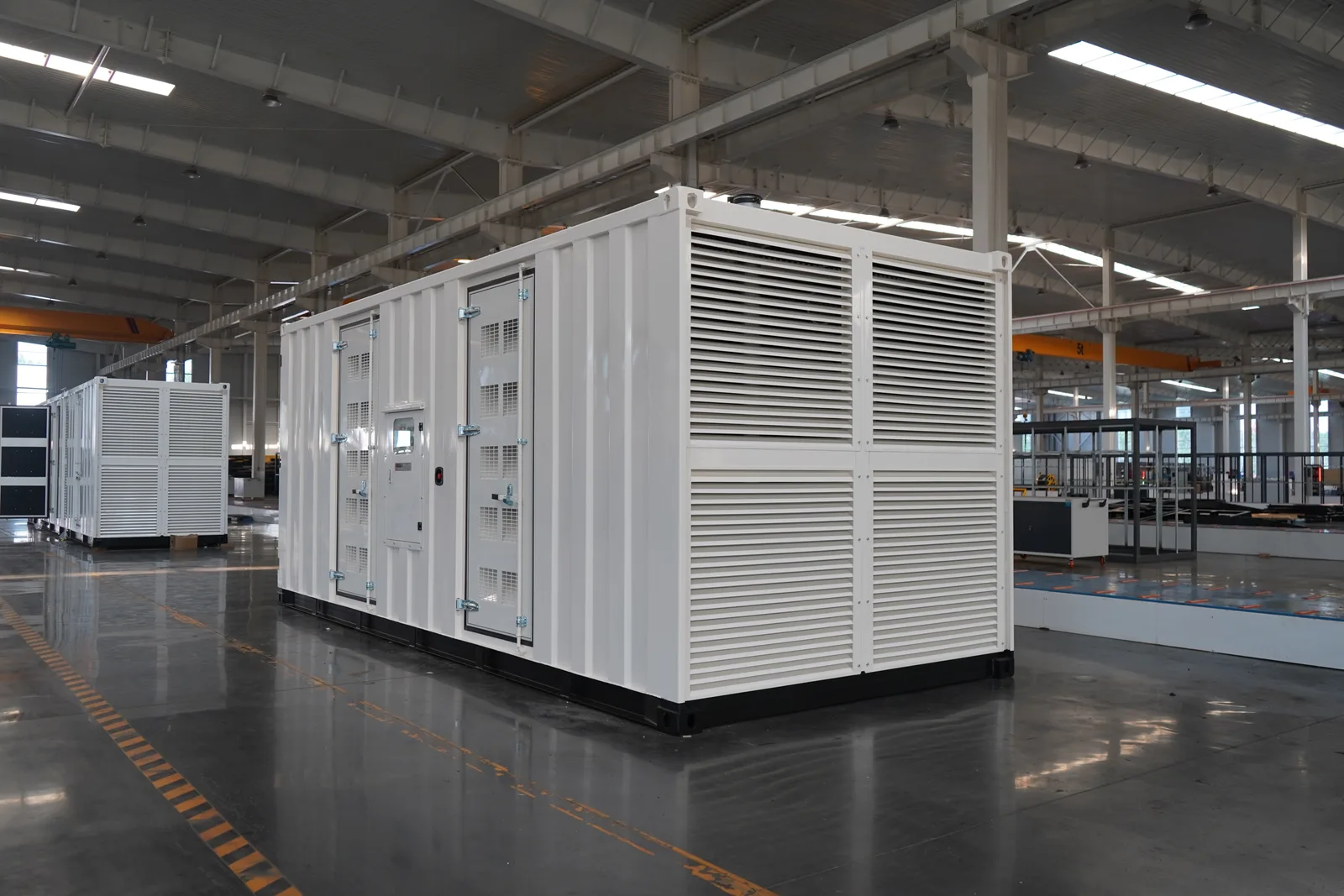
  • Protect essential guest-room power, evacuation elevators, water pumps, front-desk systems, security and critical kitchen loads first.
  • Define the acoustic enclosure, exhaust path, generator location and nighttime operating-noise limits with the engineer.
  • Build remote alarms, local inspections, spare-parts kits and service response into hotel operating procedures.
Silent Diesel Generator Set for Hotel Backup Power

Outage Scenarios

Separate Hotel Loads by Guest Journey and Back-of-House Operations

Guest Rooms and Public-Area Lighting

Site Scenario
Room lighting, door locks, corridors, the front desk, Wi-Fi and essential outlets must maintain basic service during an outage.
Outage Consequence
Guest complaints, refunds, negative reviews and nighttime safety pressure increase.
Configuration Priority
Guest-room zoning, emergency lighting, low-noise operation, nighttime transfer and fuel runtime.
Information Required
Room count, floors, public-area loads and nighttime noise limits.
View Scenario Details

Elevators and Evacuation

Site Scenario
High-rise hotels, underground parking and banquet floors depend on elevators for evacuation and essential movement.
Outage Consequence
Entrapment, panic, front-desk pressure and safety risks increase.
Configuration Priority
Emergency elevator operation, starting demand, staged recovery and ATS transfer testing.
Information Required
Elevator count and ratings, and whether all cars must run or only evacuation service is required.
View Scenario Details

Kitchens, Cold Storage and Food Service

Site Scenario
Hotel kitchens, cold rooms, breakfast areas, banquet halls and food-service POS require stable power.
Outage Consequence
Food service stops, stock is lost, events are canceled and compensation may be due.
Configuration Priority
Cold-room priority, kitchen exhaust, fuel runtime, staged loading and low-fuel alarms.
Information Required
Kitchen equipment, cold-room demand, meal peaks and banquet loads.
View Scenario Details

Air Conditioning and Ventilation

Site Scenario
In tropical or hot climates, air conditioning for rooms, the lobby and equipment rooms directly affects the guest experience.
Outage Consequence
Indoor temperatures rise, complaints increase and telecom or front-desk systems may be affected.
Configuration Priority
Select the air-conditioning zones that must remain online instead of backing up all comfort cooling at once.
Information Required
HVAC type, critical zones, acceptable load shedding and starting method.
View Scenario Details

Water Supply, Hot Water and Drainage

Site Scenario
Water pumps, hot-water systems, drainage and fire pumps support normal operation of guest rooms and public areas.
Outage Consequence
Water service stops, showers become unavailable, sanitation risks rise and fire protection is reduced.
Configuration Priority
Pump starting demand, fire-load priority, low-voltage distribution and grounding checks.
Information Required
Pump data, hot-water systems, fire pumps and the water and drainage load list.
View Scenario Details

Front Desk, Security and Access Control

Site Scenario
Front-desk systems, door locks, video surveillance, access control, networks and payments support check-in and check-out.
Outage Consequence
Check-in stops, room keys fail, security blind spots emerge and on-site communication becomes confused.
Configuration Priority
Low-voltage UPS, network core, front-desk systems, security circuits and remote alarms.
Information Required
Telecom-room loads, UPS runtime and the front-desk and security system list.
View Scenario Details

Hotel Engineering Topics

Start with the Guest Experience and Identify Which Loads Must Never Appear to Stop

Each topic connects site conditions, load priorities, configuration criteria, inspection and after-sales support so owners, engineering teams and operators can define low-noise operation, nighttime transfer, runtime and service response.

01 / Guest Experience

How to Preserve Essential Service When Guest-Room and Public Lighting Lose Utility Power

Define the backup boundary through room lighting, locks, corridors, Wi-Fi, the front desk and nighttime noise.

Read Topic

02 / Elevator Evacuation

How Elevator and Evacuation Loads Keep an Outage from Becoming a Guest-Management Crisis

Review elevator count, emergency operation, starting demand, underground parking and ATS transfer testing.

Read Topic

03 / Food Service and Cold Storage

Kitchen, Cold-Room and Food-Service Loads Must Account for Both Inventory Loss and Event Risk

Review cold rooms, kitchen exhaust, banquet halls, breakfast peaks, fuel-level alarms and runtime.

Read Topic

04 / Air Conditioning and Ventilation

HVAC Backup Is Not About the Whole Building; It Is About Zoning and Starting Sequence

Evaluate the lobby, priority guest floors, equipment-room cooling, tropical heat and acceptable load shedding.

Read Topic

05 / Water and Hot Water

When Water, Hot Water and Drainage Stop, the Guest Experience Deteriorates Quickly

Review domestic-water pumps, hot water, drainage, fire pumps, starting demand and distribution zones.

Read Topic

06 / Front Desk and Security

Keep Check-In and Check-Out Operating Through Front-Desk, Lock, Security and Network Backup

Assess continuity through the PMS, payments, locks, video surveillance, access control, low-voltage UPS and remote alarms.

Read Topic

Critical-load priorities

Hotels Must Protect Safety, Guest Service and Basic Comfort First

Immediate Protection

Immediate Transfer Required

Fire and security systems, emergency lighting, the front desk, access and locks, network core, evacuation elevators, critical pumps and essential room circuits.

Zonal Recovery

Restore by Operating Priority

Kitchens and cold rooms, critical food-service equipment, selected guest-room cooling, public lighting, hot water and parking systems.

Load-Limited Operation

Recovery Can Be Delayed

Whole-building comfort cooling, decorative banquet lighting, noncritical outlets and selected back-of-house equipment, subject to capacity and runtime.

System Configuration Guidance

Hotel Designs Must Put Noise, Nighttime Transfer and Runtime Up Front

Sound-Attenuated Generator Set

Low Noise Is a Core Hotel Requirement

Prioritize the acoustic enclosure, generator location, exhaust, ventilation, service access and distance from guest rooms.

ATS Transfer

Nighttime Transfer Must Be Stable and Controlled

Define critical circuits, transfer time, manual bypass and test procedures to minimize guest awareness.

Load Prioritization

Not All Air Conditioning Must Be Backed Up at Once

Zone guest rooms, the lobby, kitchens, telecom and safety systems to control capacity and fuel cost.

Fuel Autonomy

Plan for Nighttime and Extended Outages

Confirm the day tank, fuel alarms, refueling path, operating hours and hotel restrictions.

Remote Monitoring

The On-Duty Team Must See Alarms

Use remote inspection to monitor generator status, alarms, ATS condition, operating hours and maintenance reminders.

Local Service

Confirm the Service Scope with the Quotation

Define local inspection and after-sales support according to city, hotel category, site-access rules and spare-parts needs.

Related Configurations and Cases

Hotel Backup Power Must Connect Low-Noise Generation, Nighttime Transfer and Service Response

The hotel page links guest experience to specific products and cases so owners, engineering and operations can define noise, runtime, ATS and inspection boundaries.

Country Engineering Paths

Compare Hospitality Backup-Power Conditions by Country

Guest services, cooling, water systems, local grid conditions, fuel autonomy and response coverage vary with location. Review the country-specific planning path for the property.

Hotel Information

  • Country, city, room count, floors, hotel type and peak-season periods.
  • Generator location, distance to guest rooms, and noise and exhaust limits.
  • New build, existing-generator replacement, expansion or fault-review stage.

Load Information

  • List of guest-room, front-desk, lock, telecom, elevator, kitchen, cold-room and pump loads.
  • HVAC type, estimated kVA, voltage and frequency, plus ATS and distribution-board photos.
  • Target runtime and whether low-disruption nighttime transfer is required.

Service Information

  • Inspection frequency, pre-season checks and existing maintenance records.
  • Whether remote monitoring, local inspection and a spare-parts kit are required.
  • Service access rules, contact person and city where response is required.

Get Professional Hotel Backup-Power Configuration Advice

Share the country and city, application, required rating or critical loads, installation environment and current issue to receive professional recommendations on product selection, system scope and implementation conditions.

Get Engineering Support