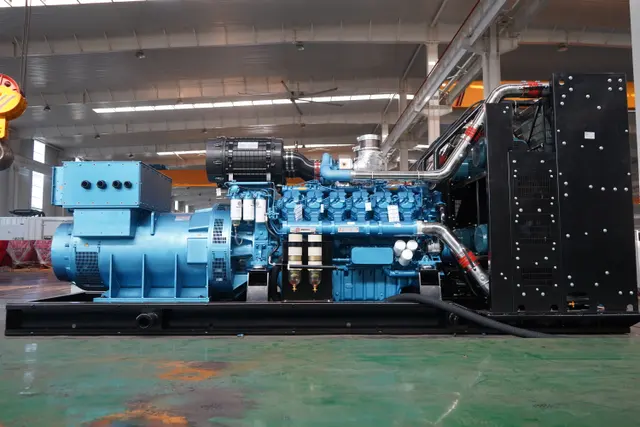
Module 01
Diesel generator systems: low- and high-voltage architectures
Load voltage, capacity, duty, altitude and layout define either a low-voltage set or a complete 6.3–11kV system.
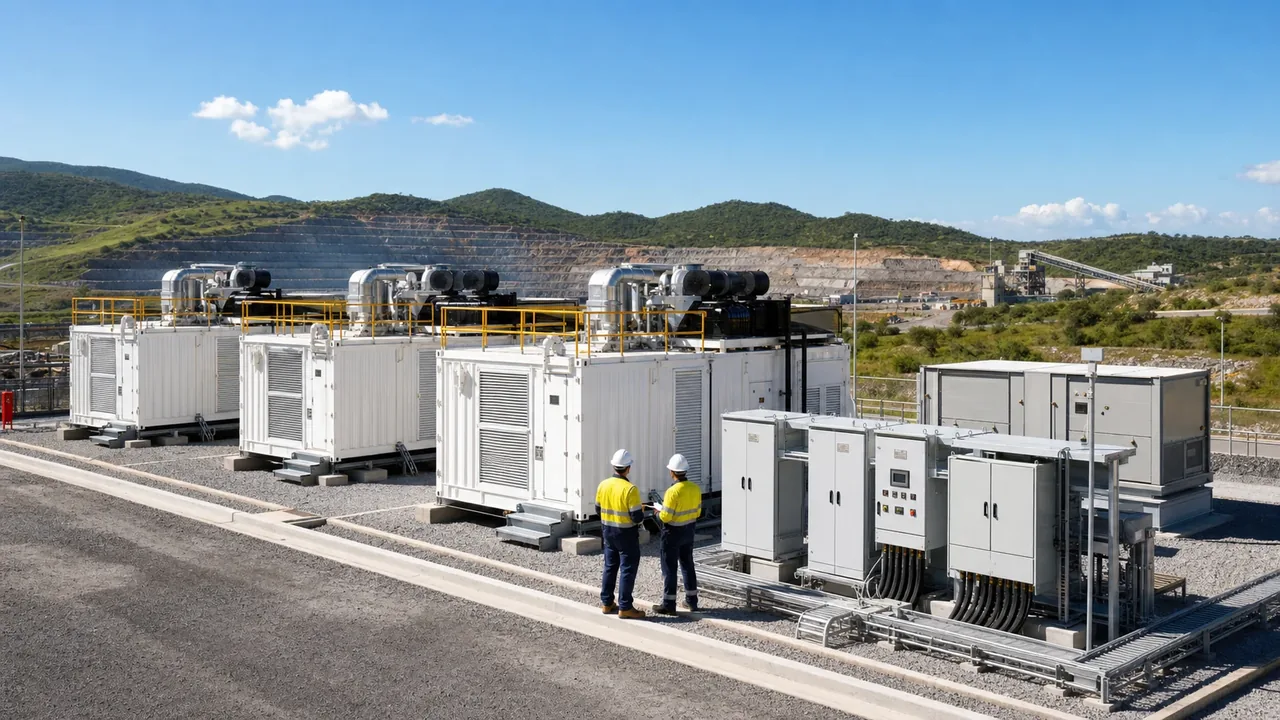
Mine power systems · Engineering support across Latin America
HOHANK engineers support mining companies by reviewing mine location, load list, voltage and frequency, starting method, altitude, operating hours and service needs, then defining the right mix of diesel generator sets, ATS, paralleling, distribution, fuel and spare-parts support.
Familiar with mining site conditions and project service coordination.
Review the entire power supply system configuration according to mining conditions.
Engineering team follow-up and spare parts warehouse support.
Matches reliable brands such as Weichai, Cummins, and Yuchai.
Power supply system composition
Load voltage, capacity, duty, altitude and layout define either a low-voltage set or a complete 6.3–11kV system.
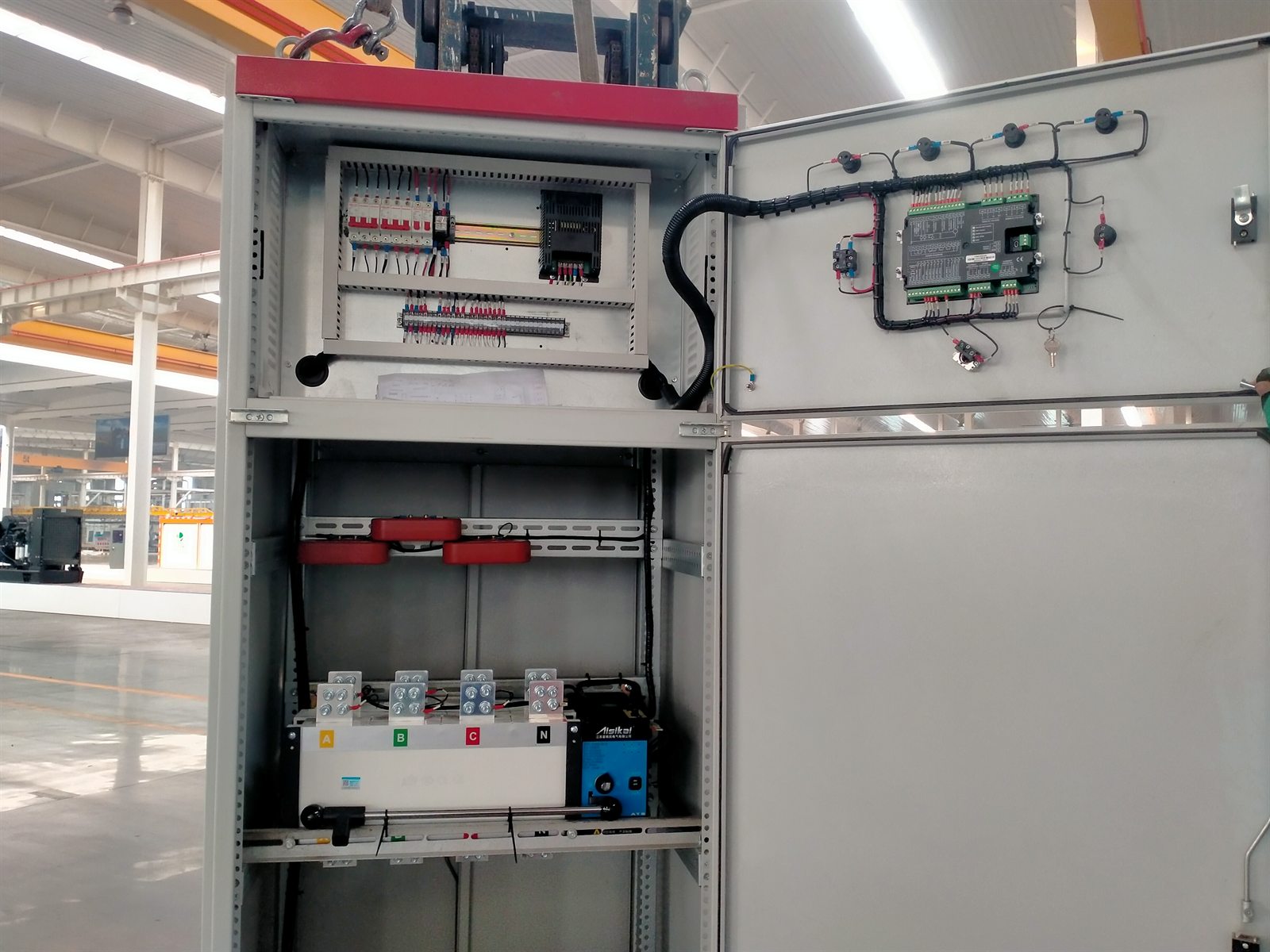
Group crushing, dewatering, camp, maintenance workshop, and safety-critical loads, then confirm ATS, breakers, cables, and low-voltage cabinet configuration.
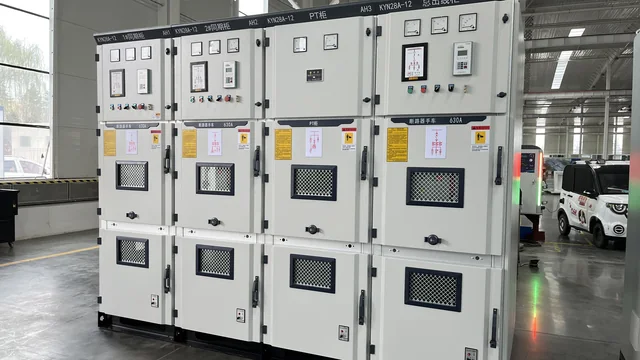
Parallel synchronization control supports multiple diesel generators running in parallel, with load sharing, synchronizing control, automatic start/stop, and expansion reserve for mines that come online in phases.
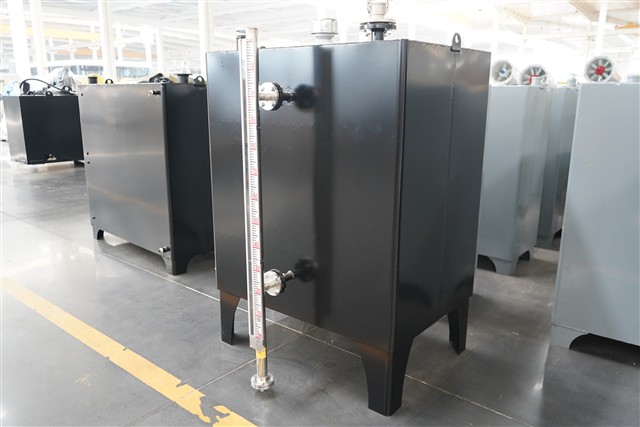
For long-term self-generation in remote mining areas, daily fuel tanks, large fuel tanks, refueling routes, operating hours and fuel costs must be confirmed simultaneously.
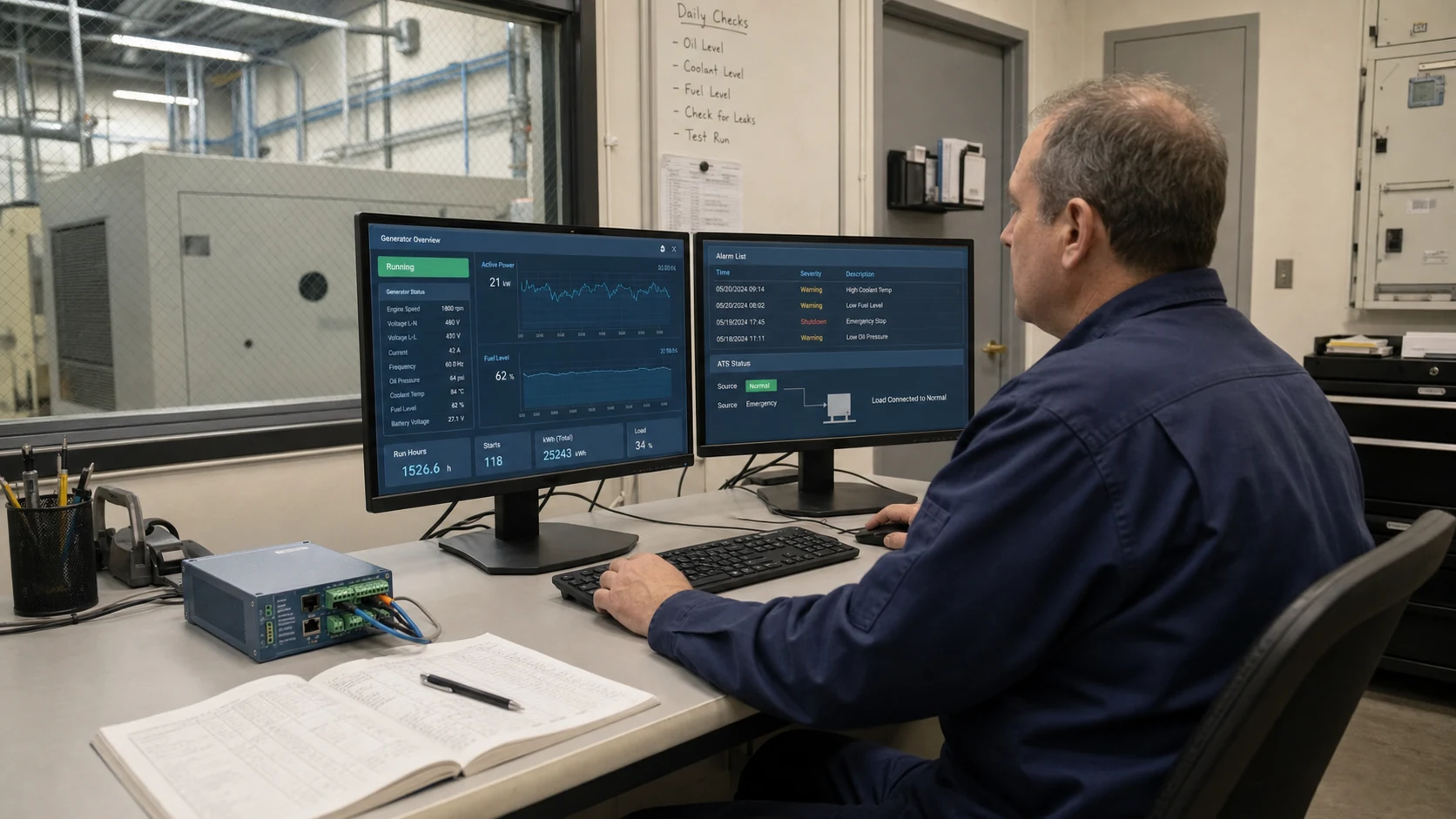
Record operating hours, load, voltage frequency, alarms and maintenance reminders through the controller, communication interface or monitoring module to facilitate remote diagnosis.
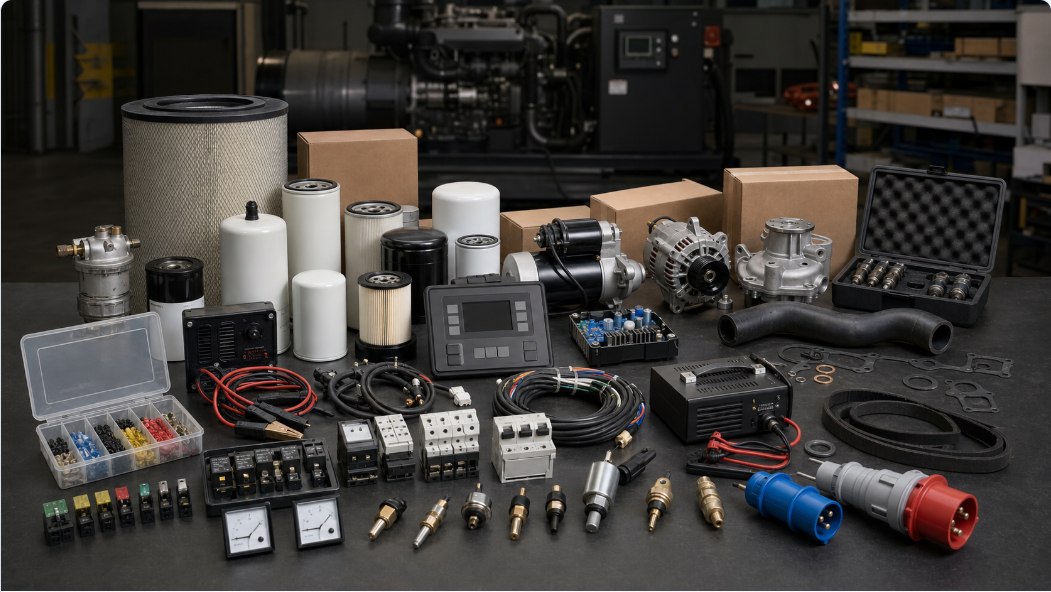
Prepare filters, belts, controllers, AVRs, training, and service response by operating hours, remoteness, and critical loads.
Not sure how these modules fit together? Ask an engineer to explain the configuration scope for your mine load and site conditions.
Contact an engineerMine power system design
Start with the real site problem: outages, voltage fluctuation, expansion loads the current system cannot carry, dewatering backup, temporary construction power, fuel cost or aging equipment. This allows the engineering team to scope the power system around the mine's operating risk, not just a kW number.
Determine on-site problems 02Crushing, screening, conveyors, pump stations, camps, maintenance workshops, and safety-critical loads cannot be reviewed by total kW alone; check starting method, simultaneous operation, and outage priority.
Review the load list 03What a mine site often needs is not one standalone generator set, but coordinated operation across the generator set, ATS, paralleling system, low-voltage distribution, fuel system, remote monitoring, and spare parts.
View system configuration 04Before quoting, confirm installation and commissioning, operator training, spare parts kit, remote diagnosis, local support, response time, and which services are included or billed separately.
Confirm after-sales standardsContact an engineer
If capacity, ATS, paralleling, distribution, fuel or after-sales scope is not clear yet, leave your contact information for an engineer to review the project step by step.
Latin America / Mine power by country
Move from each country and mining region into site conditions, production loads, grid context, logistics and system configuration.

Southern Amazon, Andes and gold corridor · Humidity, dewatering, altitude and remote logistics
Ecuador mine power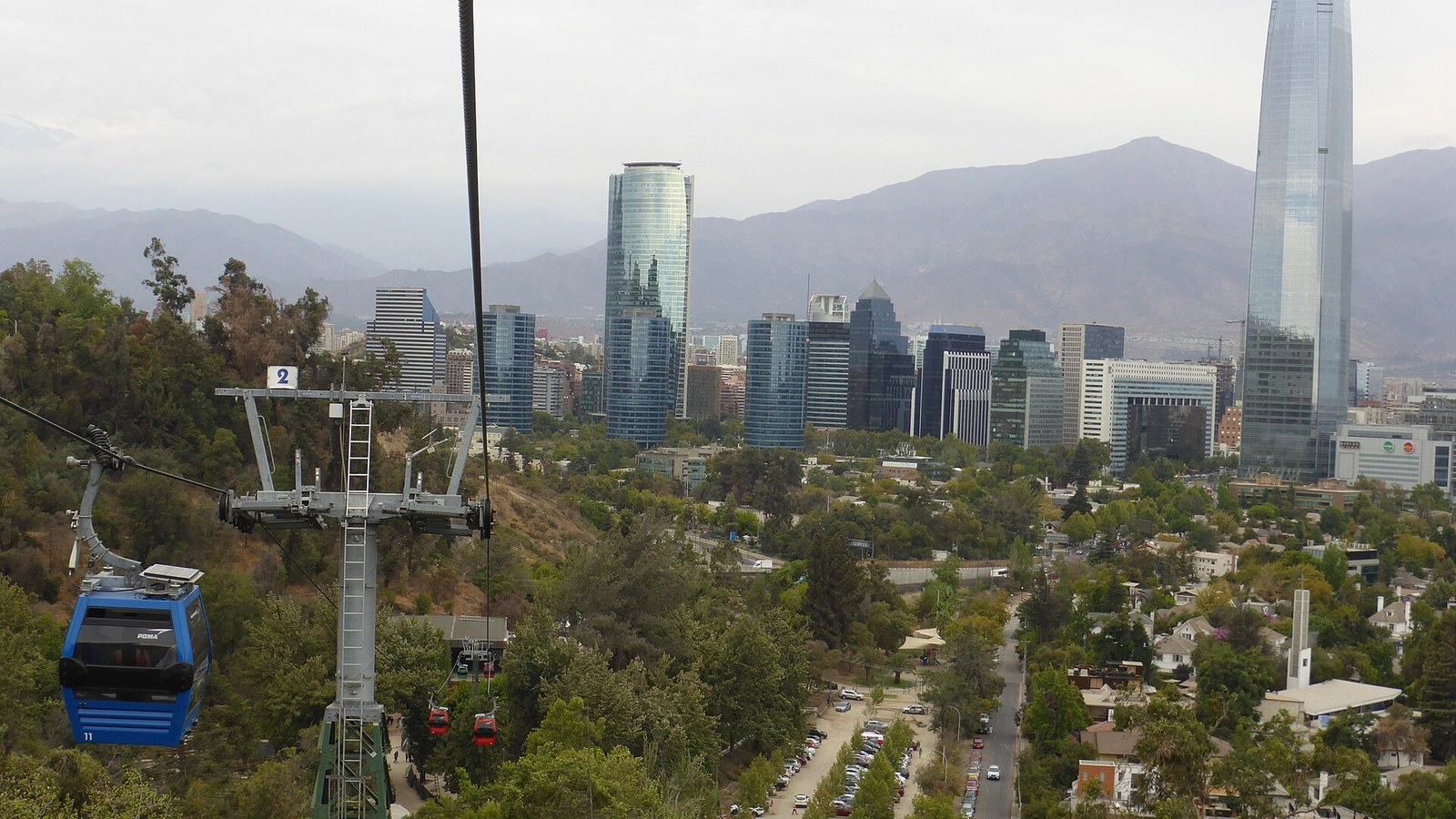
Northern copper, Atacama and central mines · Altitude, dust, salt exposure and continuous duty
Chile mine power
Southern copper, central highlands and northern mines · Derating, motor starts, dewatering and mountain service
Peru mine power
Lithium triangle, Cuyo and Patagonia · High salars, cold wind and long fuel routes
Argentina mine power
Antioquia, Pacific and Caribbean coal · Heavy rain, dewatering, weak grids and ports
Colombia mine power
Guayana, Orinoco and western coal · Heat, remote prime power, fuel and spares
Venezuela mine powerSix mining markets, regional power conditions and system configurations form the country center.
Open the mining country centerAfter-sales support for delivery and operation
Buying equipment is just the beginning. What the mining area really needs to confirm is who is responsible for installation inspection, commissioning assistance, operational training, spare parts preparation, fault diagnosis and service response after the equipment arrives at the site.
When equipment arrives, confirm foundations, grounding, cables, low-voltage distribution, ATS, paralleling conditions, and the first loaded commissioning plan.
Startup and shutdown, load switching, alarm viewing, inspection records and daily maintenance requirements must be handed over to the person in charge of the site.
Confirm spare parts packages such as filters, belts, sensors, controllers, AVRs, etc. in advance based on operating hours and remoteness.
When a fault occurs, use operating records, alarm information, and site photos to identify the issue first, then arrange remote diagnosis, local coordination, and service response.
After-sales service must be confirmed clearly before quotation and delivery to avoid failure in installation, spare parts, remote diagnosis, local collaboration and fault response after the equipment arrives.
Construction risk prevention
Start with the issues most likely to cause production stops, tripping, runaway fuel consumption, or after-sales delays. The full list is available item by item in the risk guide.
Remote mine sites are not just afraid of major failures. Filters, belts, sensors, controllers, AVRs, pumps and electrical parts are not ready, and minor failures can cause downtime for several days.
Dewatering pumps, tailings pumps, water treatment, and safety monitoring should stay powered even when ordinary production loads stop. Before construction, confirm which safety loads need independent backup power.
Having a generator does not mean the site has standby power. Before configuration, clarify which loads are covered by the prime supply, standby supply, and ATS transfer during an outage.
A large generator alone is not enough. If low-voltage cabinets, breakers, cables, and load zoning are undersized, the site can still see voltage drops and trips. Distribution should be checked before procurement.
It is easy to underestimate the startup impact of crushers, water pumps and air compressors by only looking at the equipment nameplate power. Before purchasing, review the starting current, simultaneous operation and expansion margin.
Expansion is not just about adding a new piece of equipment, power capacity, power distribution, cables, fuel and spare parts must keep up. Otherwise, the new equipment may not be able to be started after it arrives at the site.
In remote mine sites, the real cost is diesel, transport, maintenance and downtime. Compare generator options by total operating cost, not purchase price alone.
Having a generator does not guarantee stable power. If the day tank, bulk tank, refueling frequency and transport route are not calculated, the unit can still stop for lack of fuel.
Mine power case review
The customer first asked about a standby diesel generator. As engineers learned more about the mine site, the real issue became clear: an outage would affect the production line, dewatering pumps, camp power and communications at the same time. The engineering review covered key loads, startup sequence, ATS transfer, low-voltage distribution, fuel supply and after-sales response, helping the customer avoid buying one piece of equipment that still could not carry the load, protect dewatering, power the camp or prevent later distribution rework and production delays.
At first, the customer only said that mine power was unstable and they wanted to add a standby diesel generator. The engineer did not quote from a power table right away; first, they asked when outages usually happened and which equipment would be forced to stop.
After more discussion, the site issue became clear: the crushing line, dewatering pumps, camp lighting, communications, and maintenance workshop all depended on the power system, and dewatering and safety-critical loads could not wait for manual switching.
If the generator set is sized only by the minimum power, the price may look lower, but crushers and water pumps can cause voltage drop or breaker trips at startup, with no margin left after expansion. Engineers rechecked starting current, simultaneous operation relationships, and key-load priority.
After the review, engineers made clear that the purchase scope should not stop at one diesel generator. The customer needed to confirm the diesel generator set, ATS, low-voltage distribution, fuel system, monitoring interface, and common spare parts together.
Before the equipment arrives, engineers list foundations, cables, grounding, lifting, fuel lines, exhaust, startup tests, load tests, and operator training one by one. The site team knows what to prepare first and how to connect and commission the system after delivery.
During operation, if alarms, trips, or starting difficulties occur, engineers first use controller photos, fault codes, operating hours, and maintenance records to identify the problem scope, then arrange remote diagnosis or local coordination.
The engineer explained: The main concern is when customers focus only on the lowest power rating and the price of one generator set while overlooking site integration, distribution and after-sales response. That can ultimately affect production, dewatering and camp power. The engineering goal is stable, safe and cost-controlled power for mine production and daily operations.
Engineer contact
An engineer will contact you soon to review your site issue and needs.
 WhatsApp: +86 176 8575 2779