Project Background
A Successful Generator Start Does Not Prove Critical Hot-Season Loads
Routine testing had only confirmed no-load generator operation. It had not validated the starting order for multiple fans, pumps and aerators, and lacked ATS, fuel-level, alarm and controller-restart records.
These projects cannot stop at connected power and equipment price. Animal-life conditions, production continuity, installation, transfer sequence and ongoing maintenance must be reviewed as one system.
Livestock backup power creates value when critical loads actually transfer, run through high-risk seasons and leave reviewable operating records.
Challenges and Requirements
Animal Conditions, Simultaneous Starts and Remote Maintenance Converged in One Project
Simultaneous fan and pump starts caused voltage fluctuation; some climate-control and alarm devices were outside critical circuits; and fuel runtime had been estimated from tank volume without actual loaded consumption.
Engineering review must cover starting demand from fans, pumps, aerators and compressors, plus climate panels, sensors, alarms, ATS, low-voltage distribution and refueling conditions.
Simultaneous fan and pump starts caused voltage fluctuation.
Some climate-control and alarm equipment was not connected to critical circuits.
Fuel runtime was estimated from tank volume rather than actual loaded consumption.
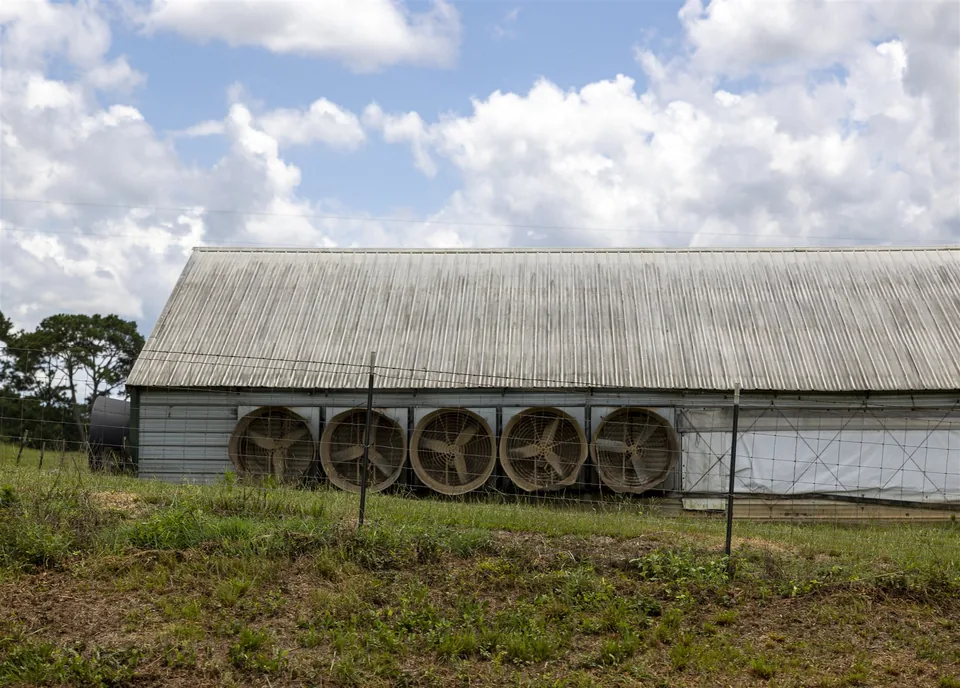
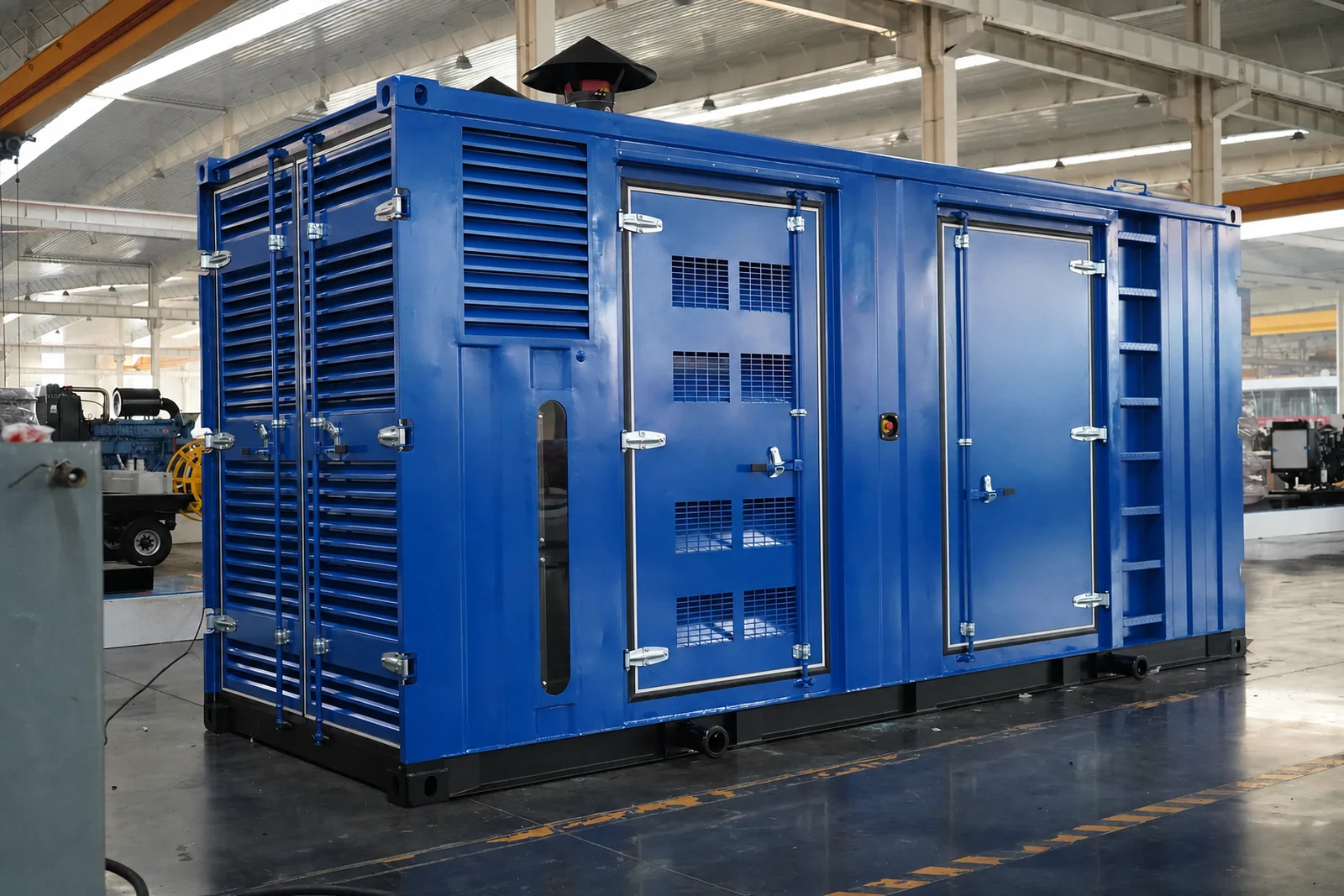
Power-System Solution
Load Priorities, ATS Distribution and Fuel Runtime Were Built Around Generator Capability
The system placed primary ventilation, climate control, drinking water, core aeration, controllers and alarms in immediate transfer. Feed lines, hatchery and brooding, cold chain, wastewater and disinfection recovered by risk tier. General lighting, offices and schedulable equipment were delayed.
ATS and low-voltage circuits were separated by housing, pond and system, with motor start delays or duty rotation. Fuel planning confirmed target hours, minimum level, refueling trigger and an alternative route when road access was restricted.
Life-supporting environment, drinking water, core aeration, controllers and alarms.
Feeding, hatchery, cold chain, biosecurity and wastewater equipment.
Start, transfer, load, fuel-level, alarm and inspection data.
Outcome and Value
The Value Was an Explainable Configuration, Verifiable Delivery and Traceable Operation
Recovery order became clear: high-risk loads first, without clustered motor starts. Control chain was complete: climate, sensors, alarms and power circuits were validated together. Runtime had evidence: fuel use and refueling timing were calculated from actual load. Inspection became repeatable through a fixed pre-season checklist and exception closeout.
The result was not an isolated machine but a backup-power plan that explains configuration, load priority, testing, maintenance ownership and fault coordination.
Prioritize high-risk loads, avoid clustered motor starts, and use a fixed pre-season checklist with exception closeout.