Project Background
New-Farm Projects Often Miss Starting Sequence and Long-Term Service Conditions
The project included multiple animal houses, pump stations, automatic feed lines, cold rooms, wastewater treatment and site monitoring. The initial brief gave total connected power but did not distinguish simultaneous operation, allowable interruption or seasonal risk.
These projects cannot stop at connected power and equipment price. Animal-life conditions, production continuity, installation, transfer sequence and ongoing maintenance must be reviewed as one system.
Livestock backup power creates value when critical loads actually transfer, run through high-risk seasons and leave reviewable operating records.
Challenges and Requirements
Animal Conditions, Simultaneous Starts and Remote Maintenance Converged in One Project
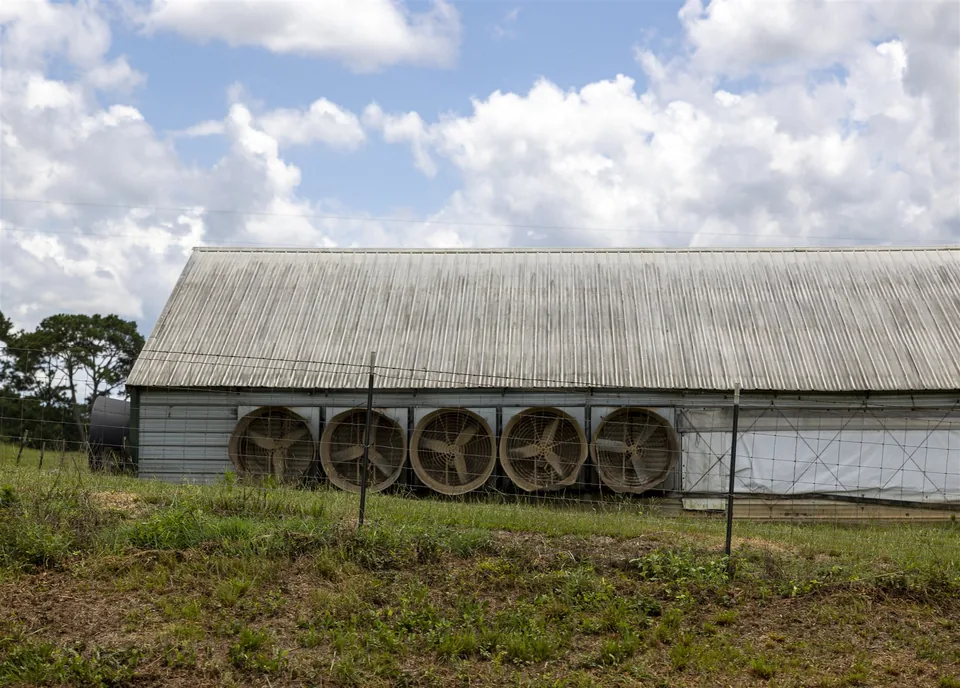
Fans, pumps and feed lines across multiple houses created clustered starting demand; ventilation and water had short outage tolerance in hot weather; and the remote site required early planning for fuel, spares and remote diagnostics.
Engineering review must cover starting demand from fans, pumps, aerators and compressors, plus climate panels, sensors, alarms, ATS, low-voltage distribution and refueling conditions.
Fans, pumps and feed lines across multiple houses created clustered starting demand.
Ventilation and drinking water have short outage tolerance during hot weather.
Remote sites require early planning for fuel, spares and remote diagnostics.
Generator-Set Solution
Select the Generator for Reliable Starting, Motor Demand, Fuel Use and Service Conditions
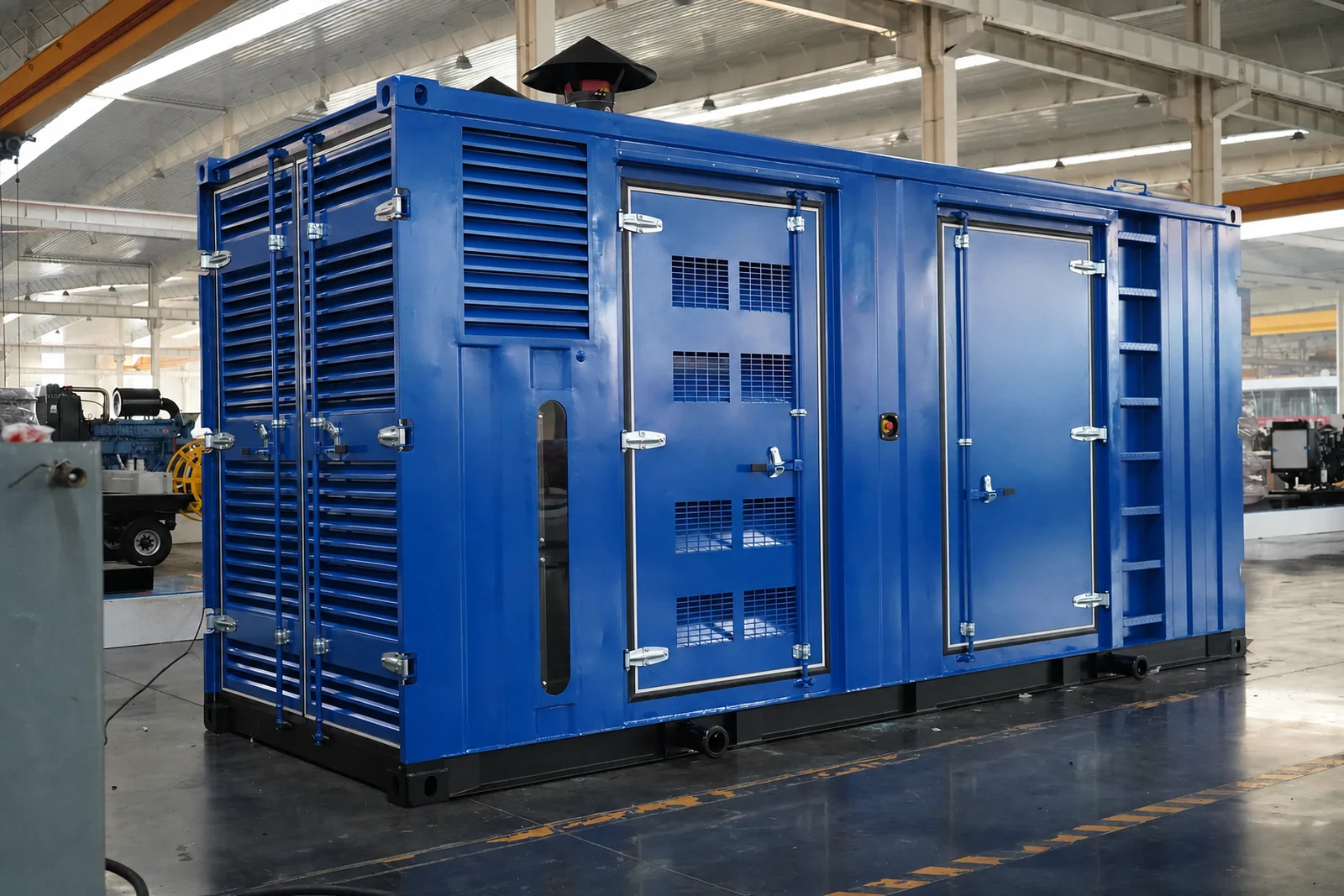
The generator must start reliably after utility loss and accept the dynamic demand of critical motors in sequence. Sizing also considers hot or cold extremes, future farm expansion, low-load operation and target runtime rather than simply increasing nameplate capacity.
Remote farms must confirm sound-attenuated enclosure or room ventilation, dust and humidity protection, corrosion resistance, exhaust, fuel tank, refueling vehicle and service space. Generator form and installation boundaries directly affect long-term reliability.
- 01Verify dynamic generator capability against critical loads and motor starting methods.
- 02Calculate fuel use and runtime from actual load factor and seasonal risk.
- 03Confirm installation for dust, humidity, ventilation, exhaust and service access.
Power-System Solution
Load Priorities, ATS Distribution and Fuel Runtime Were Built Around Generator Capability
The system placed primary ventilation, climate control, drinking water, core aeration, controllers and alarms in immediate transfer. Feed lines, hatchery and brooding, cold chain, wastewater and disinfection recovered by risk tier. General lighting, offices and schedulable equipment were delayed.
ATS and low-voltage circuits were separated by housing, pond and system, with motor start delays or duty rotation. Fuel planning confirmed target hours, minimum level, refueling trigger and an alternative route when road access was restricted.
Life-supporting environment, drinking water, core aeration, controllers and alarms.
Feeding, hatchery, cold chain, biosecurity and wastewater equipment.
Start, transfer, load, fuel-level, alarm and inspection data.
Professional Engineering Services
Connect Equipment and Production from Site Review through Commissioning
Build critical-load lists by house and system; organize immediate, staged and delayed recovery; review motor starts, ATS, low-voltage distribution and fuel runtime; and include test records, training, spares and inspection in delivery scope.
Delivery records covered foundations, ventilation, exhaust, fuel lines, cables, grounding, control wiring and ATS interfaces, plus no-load start, staged loading, voltage and frequency, alarms and corrective items.
- 01Create critical-load lists by housing area and system.
- 02Organize recovery as immediate, staged and delayed.
- 03Review motor starting, ATS, low-voltage distribution and fuel runtime.
After-Sales and Operations Support
Track Fuel, Alarms, Pre-Season Tests and Spares After Handover
A fixed inspection form records running hours, starts, load factor, fuel use and level, batteries, cooling, alarms, ATS state and test results. Remote monitoring identifies trends early, while field inspection completes instrument tests and hands-on work under safe isolation.
Spares are classified as consumables, critical electrical parts and recovery components, prioritizing items that affect ventilation, water, aeration, cold chain and automatic transfer.
Outcome and Value
The Value Was an Explainable Configuration, Verifiable Delivery and Traceable Operation
Configuration was explainable: capacity matched critical loads, starting methods and recovery order. Construction was verifiable: foundations, cables, ATS, distribution, fuel and load tests were recorded. High-risk seasons were prepared through fixed pre-season actions. Fault response was coordinated through defined remote data, contacts and spare-parts scope.
The result was not an isolated machine but a backup-power plan that explains configuration, load priority, testing, maintenance ownership and fault coordination.
Capacity matched each critical load, starting method and recovery order; remote data, site contacts and spare-parts boundaries were defined in advance.