Issue Revealed by the Inspection
The Site Had Backup Power, but Public Systems and Tenant Loads Were Mixed
During the inspection, the generator started and the ATS transferred after a simulated utility failure. The gap appeared during field confirmation: fire control, elevator rooms, parking, low-voltage systems, tenant refrigeration and POS were managed by different people. Each knew their own needs, but no common recovery order existed.
During a weekend evening peak, the first test is not generator nameplate rating but whether evacuation announcements, emergency lighting, fire and security systems, POS and parking access recover in order. If a tenant load takes capacity too early, public-safety loads may be delayed.
Peak-period planning must define what is protected during the first five minutes, 15 minutes and hour—not only which equipment can be connected.
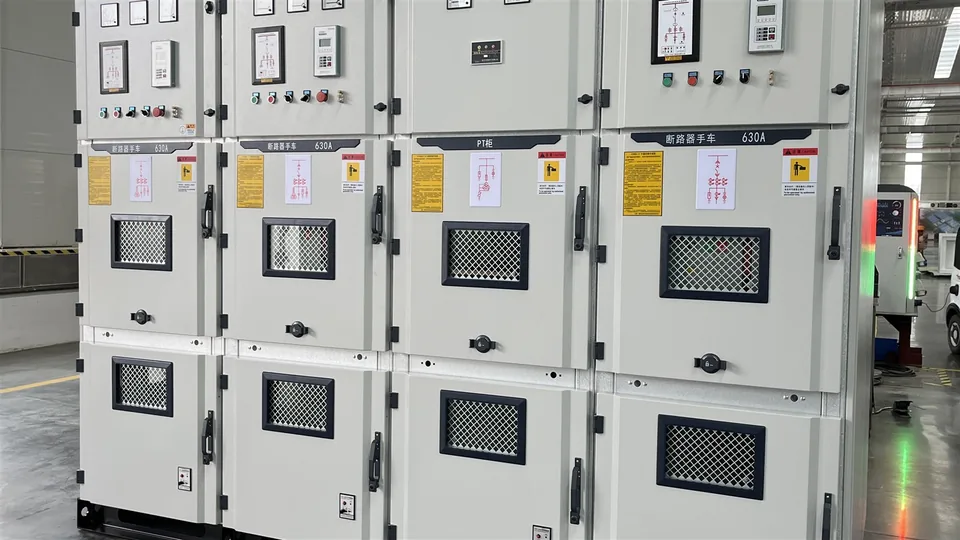
Recovery Sequence
At Peak Footfall, Restore Public Safety Before Business Continuity
The plan did not connect every tenant load to backup at once. Tier one protected evacuation, fire safety, security, basic lighting and communications. Tier two covered POS, parking payment, essential elevators and back-of-house systems. Tier three assessed food refrigeration, priority tenants and deferrable comfort loads.
This order prevents a common failure: every department wants its system restored first, but the site has no executable priority. Unless priorities are reflected in circuits, ATS tests and drill records, the real outage is managed by improvisation.
Evacuation announcements, emergency lighting, fire and security systems, communications and incident command.
POS networks, parking access, essential elevators and property duty systems.
Food cold chain, priority tenants, comfort cooling and business loads that can wait.
Tenant Boundaries
Tenant Backup Eligibility Should Not Be Decided on the Day of an Outage
The property team manages main systems while tenants manage their operating equipment. The engineer reviewed public and tenant systems separately: fire, security, evacuation, communications and parking capacity were protected first; tenant loads were approved in stages according to contract scope, criticality and available margin.
Food cold chain is easily overlooked. Individual cabinets may be small, but simultaneous tenant restart can create substantial inrush. The engineer recommended zoned, staged recovery and a fixed pre-peak check of fuel, batteries, ATS and critical spares.
- 01Confirm public-safety loads and main distribution first so tenant feeders do not consume their capacity.
- 02Prioritize tenant loads as food cold chain, POS, essential lighting and deferrable equipment.
- 03Pre-holiday drills should record transfer time, abnormal alarms, fuel margin and corrective actions.
Ongoing Maintenance
Pre-Holiday Inspection Replaces Emergency Repair with Early Detection
The final plan did not try to keep every tenant operating at once. It protected public safety and operating order first. The property team added ATS transfer, generator starts, fuel status, battery voltage, coolant, room ventilation and common spares to the pre-holiday checklist.
Remote inspection provides early visibility of running hours, controller alarms, test records and ATS state. The site team keeps photographs and manual records, especially panel labels, tenant-feeder condition, room exhaust and tank level. Engineers can review evidence before the next peak and decide whether a site visit is required.
The shopping center changed its question from “Can the generator start?” to “Can public-safety loads recover first at peak footfall?” That better reflects operating risk.