Sites with remote communication
Engineers can read status, alarms, and running hours through the controller, a 4G/Ethernet module, or a monitoring platform, then review trends on a schedule.
Remote monitoring and maintenance
For remote mines and long-term self-generation sites, engineers use controller data, ATS switching records, low-voltage distribution status, operating hours, load changes, alarm codes, and site photos or videos to trace shutdown risk to the unit, distribution system, load impact, or a maintenance gap.
Monitoring equipment and data collection points
Remote inspection is not just a camera. It connects the generator controller, ATS, low-voltage distribution, fuel, site conditions, and engineer support.
Engineers can read status, alarms, and running hours through the controller, a 4G/Ethernet module, or a monitoring platform, then review trends on a schedule.
The site can still submit controller screenshots, LV cabinet photos, ATS status, inspection videos, and maintenance records on a schedule to create remote-inspection records.
| Equipment category | Recommended equipment | Data collected | Problems solved | Suitable site scenarios |
|---|---|---|---|---|
 Basic remote data package Basic remote data package | Generator controller, DSE / ComAp type communication gateway, 4G / Ethernet, SIM card or network access | Operating hours, oil pressure, water temperature, speed, voltage, frequency, load rate, alarm code | Check generator set condition, maintenance window, alarm severity, and whether a shutdown inspection is needed. | Start by building a remote-inspection baseline for one or multiple diesel generator sets. |
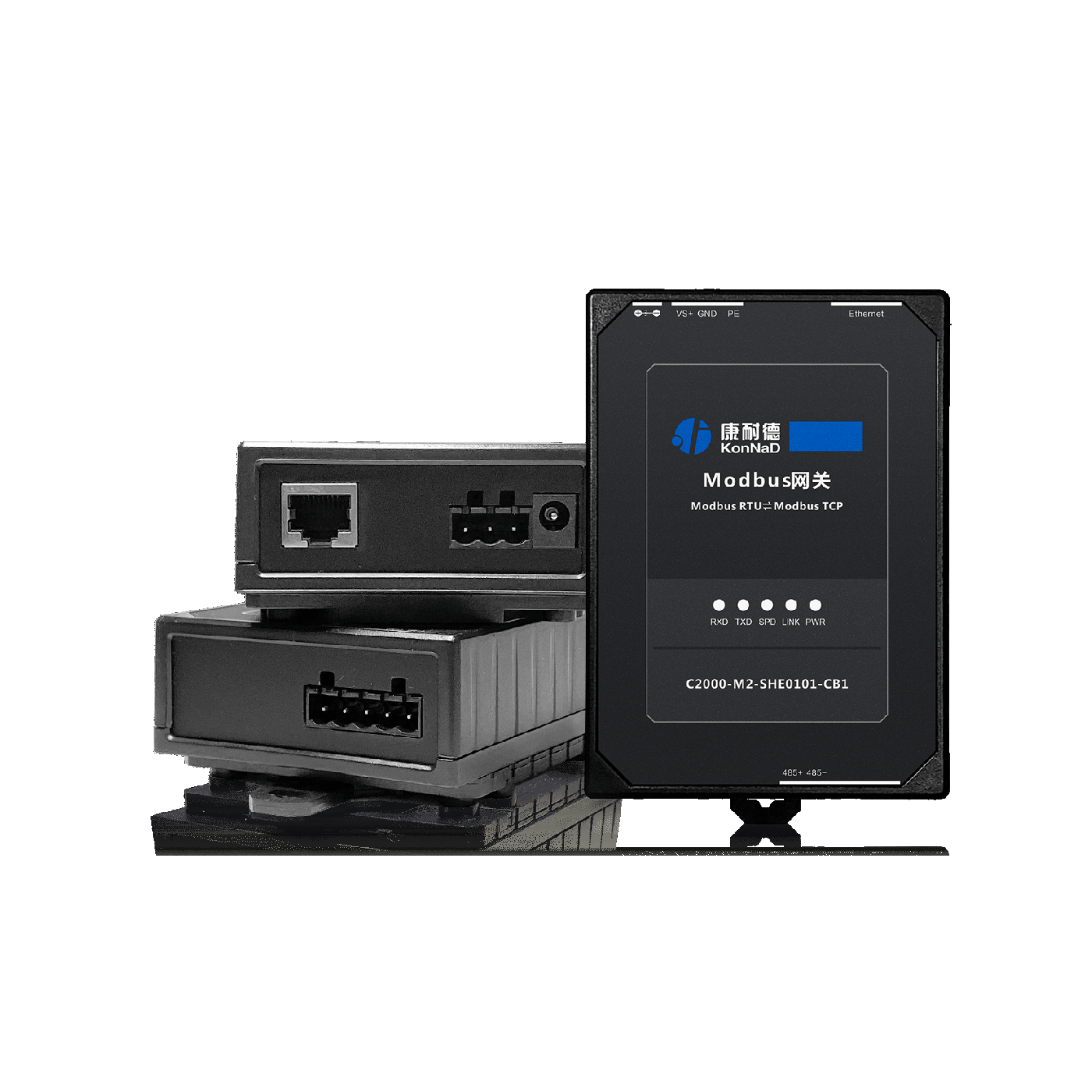 ATS and distribution monitoring package ATS and distribution monitoring package | ATS status contact, multi-function meter, CT, voltage/current acquisition, circuit breaker auxiliary contact | Switching status, main and backup power status, three-phase voltage and current, tripping position, protection action record | Identify ATS switching failures, phase imbalance, load impact, and protection-setting issues. | Mine sites with ATS, LV cabinets, critical-load zones, or frequent tripping. |
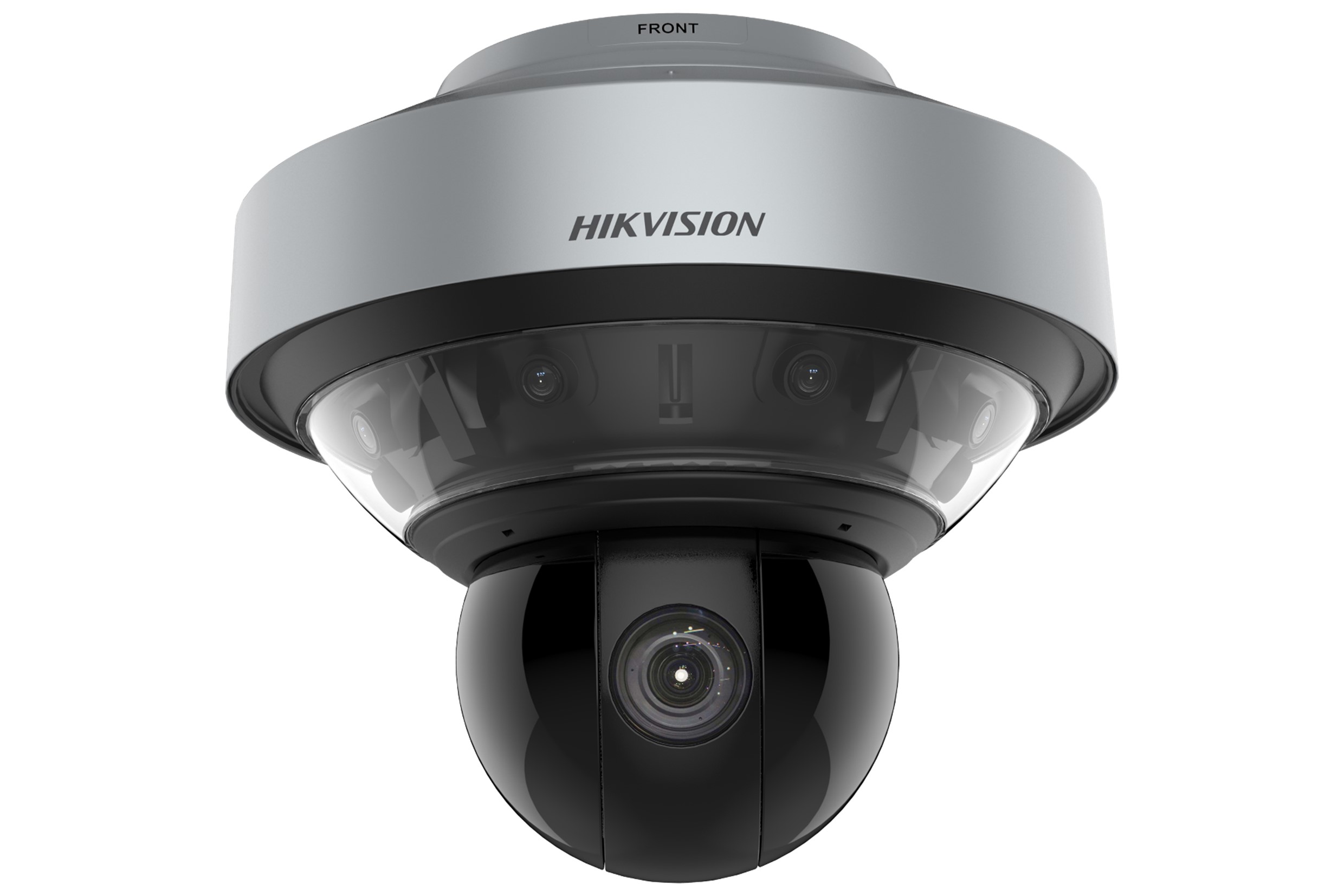 Smart video and thermal imaging package Smart video and thermal imaging package | Fixed bullet cameras, PTZ dome cameras, thermal cameras, and key-point monitoring for generator rooms, fuel tanks, and distribution cabinets | Site video, personnel access, exhaust status, oil or water leaks, abnormal cabinet heat | Let engineers view site status remotely, reducing misdiagnosis caused by relying only on verbal descriptions. | Remote mine sites, unattended generator rooms, unstable rainy-season roads, or sites with high distribution-cabinet temperature risk. |
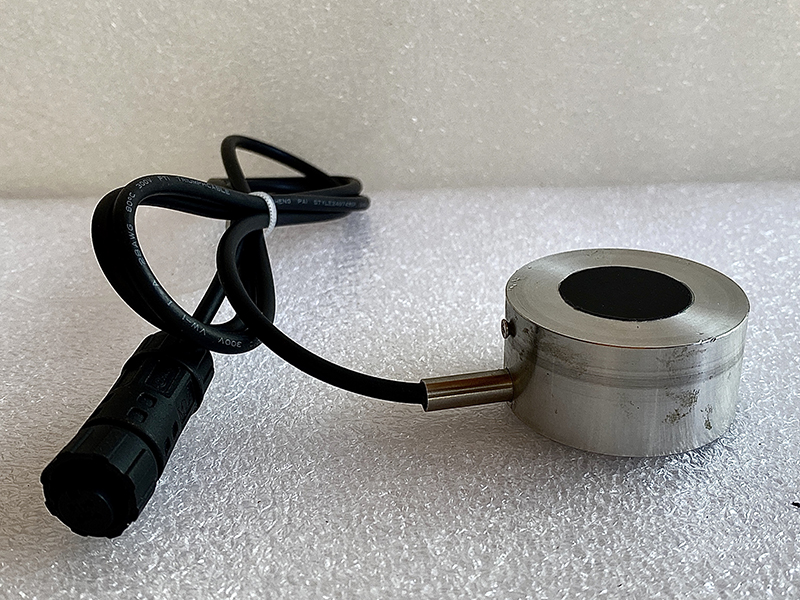 Fuel and refueling management package Fuel and refueling management package | Fuel tank level sensor, fuel level gateway, refueling record, low fuel level alarm | Real-time oil level, daily fuel consumption, refueling time, low fuel level alarm, abnormal fuel consumption trend | Reduce fuel-related shutdowns, abnormal fuel consumption and confusion in refueling plans. | Mining sites with long diesel transportation distances, long refueling cycles, and high fuel costs. |
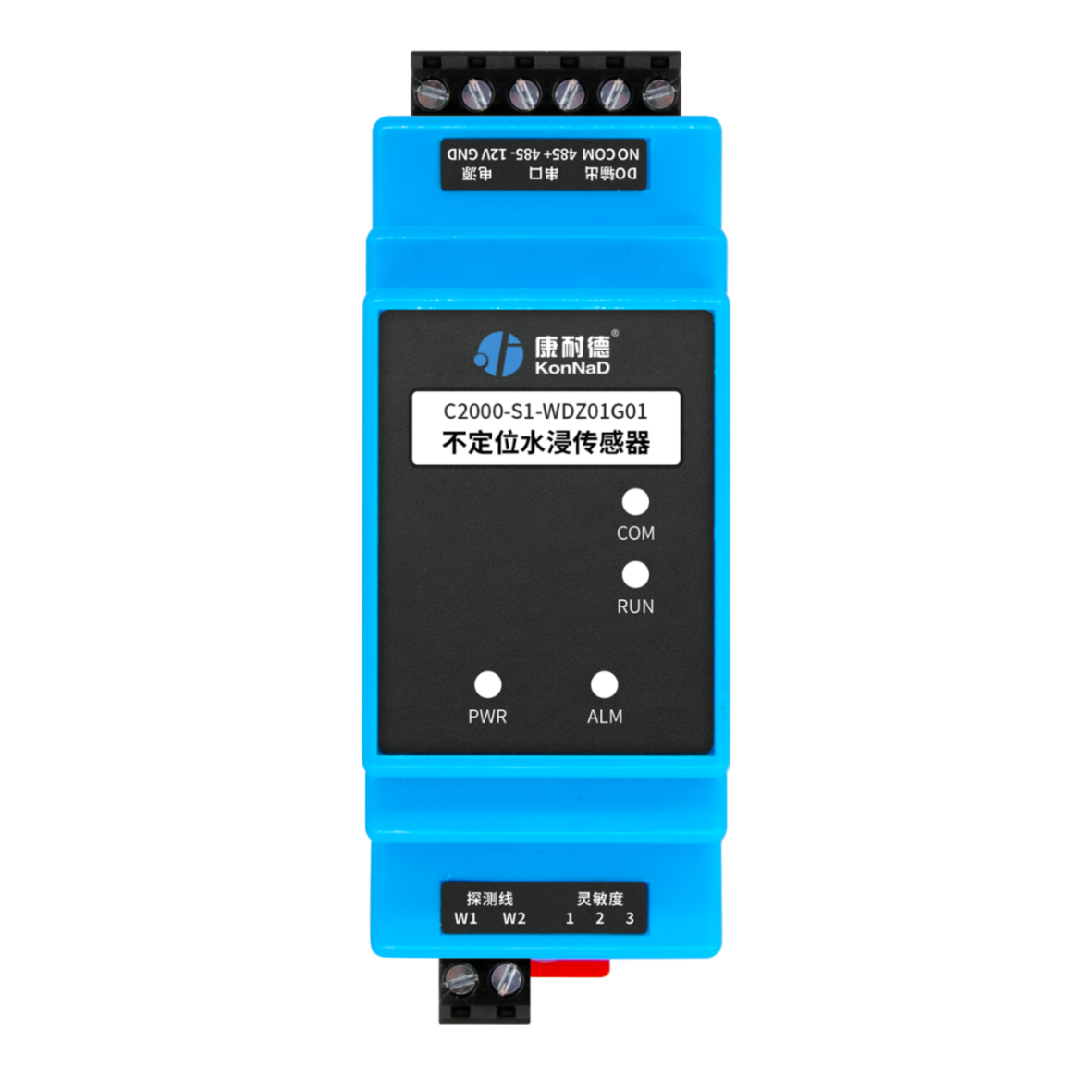 Generator room environment package Generator room environment package | Temperature and humidity, water immersion, smoke sensor, door sensor, sound and light alarm, UPS/DC power supply | Ambient temperature, humidity, water ingress, smoke, access control status, monitoring power status | Flag risks from overheating, water ingress, smoke, unauthorized entry, and communication loss. | Closed generator rooms, humid rainy-season sites, small site teams, or projects that need unattended night operation. |
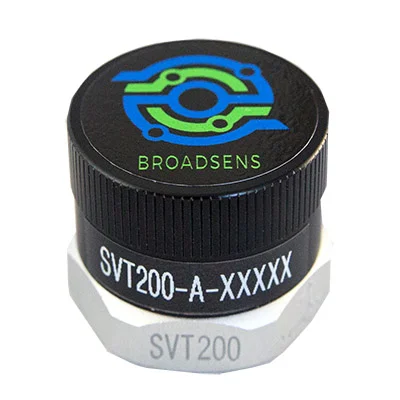 Predictive maintenance expansion pack Predictive maintenance expansion pack | Vibration sensor, temperature sensor, bearing/fan/generator end monitoring point | Vibration trends, local temperature rises, abnormal fluctuations, repeated alarms and operating hours | Use long-term operating trends to spot bearing, fan, and mechanical-component risks before they become downtime. | Mining projects with long continuous operation hours, high downtime costs, and where preventive maintenance is desired. |
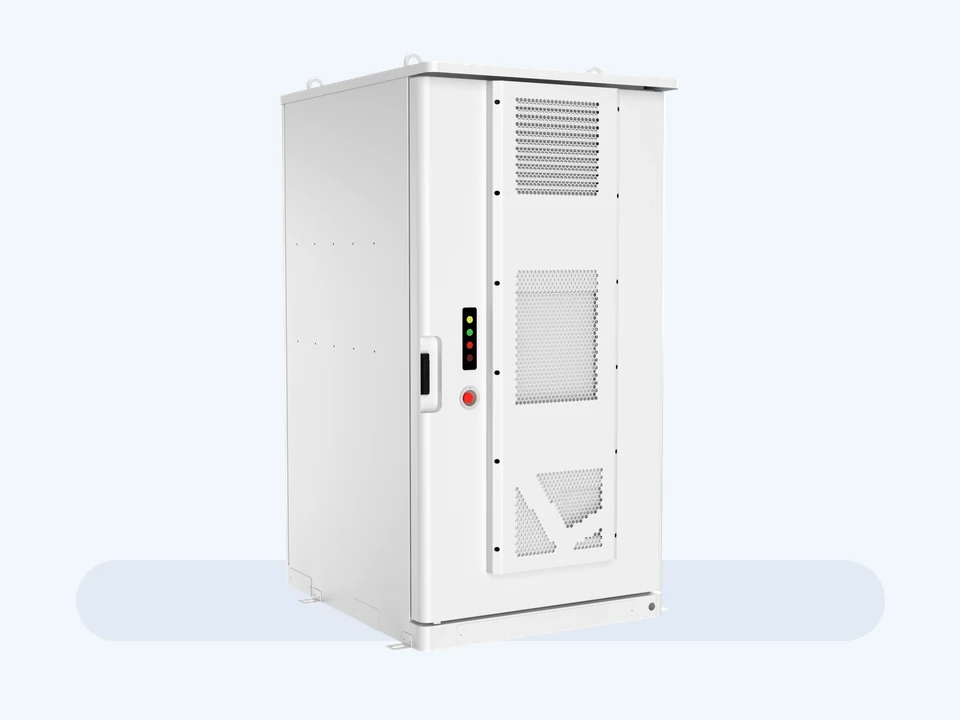 Energy storage/EMS access package Energy storage/EMS access package | BMS, EMS, PCS, energy storage cabinet communication module, energy storage fire protection status contact | SOC, SOH, charge and discharge power, temperature, alarm, fire status, communication status | Check whether the diesel generator + energy storage solution is operating as expected, including communication, temperature, and charge/discharge abnormalities. | Mining sites that have been equipped with energy storage cabinets or plan to use diesel generators + energy storage solutions. |
BMS/EMS, PCS, SOC, charge and discharge power, temperature, and alarm status can also be added to inspection data to check whether the diesel generator + energy-storage solution is operating as expected.
View diesel + energy storage solutions| Collection point | Device/Interface | Key data | Used to diagnose |
|---|---|---|---|
| Generator controller | Generator set controller, remote communication module, 4G / Ethernet interface | Operating hours, oil pressure, water temperature, speed, voltage, frequency, load rate, alarm code | Check generator set condition, maintenance window, alarm severity, and whether a shutdown inspection is needed. |
| ATS transfer cabinet | ATS controller, switching status record, cabinet photos | Main power loss, unit startup, load transfer, switchback status, switching failure record | Verify that backup power actually takes over critical loads, so the generator does not only start without supplying power during an outage. |
| Low voltage distribution cabinet | Meters, breakers, protection devices, cabinet terminals, and cable photos | Three-phase current, voltage, load zone, tripping position, protection action, terminal temperature rise trace | Identify whether the problem comes from generator capacity, cable distribution, protection settings, or load impact. |
| Paralleling control system | Paralleling controller, synchronization-control record, single generator-set operating record | Single unit load rate, equalization status, synchronization status, voltage frequency, parallel alarm | Check whether multiple generator sets share load evenly, and whether any generator set is overloaded for long periods or running at long-term low load. |
| Fuel and maintenance records | Daily fuel tank, fuel consumption record, filter oil ledger, spare parts inventory list | Fuel balance, daily operating hours, filter replacement, oil coolant status, inventory balance | Review whether fuel quality, maintenance, spare parts, and operating costs are increasing downtime risk. |
| On-site manual inspection | Photos, videos, inspection sheets, on-site electrician feedback | Oil and water leakage, smoke exhaust, abnormal noise, radiator blockage, cable heating, road and rainy season effects | adds the on-site context that remote data cannot show, helping engineers assess actual working conditions more accurately. |
| Energy storage cabinet BMS / EMS | BMS, EMS, PCS, energy storage cabinet communication module | SOC, SOH, charge and discharge power, temperature, alarm, fire status, communication status | If an energy-storage cabinet is installed on site, engineers compare generator load rate and distribution status to judge how well the storage solution is performing. |
Engineering assessment logic
The same high-temperature, trip, or start-failure alarm has different priorities in drainage-pump backup, crusher startup, paralleling operation, and long-term self-generation sites. Engineers triage production risk first, then diagnose the technical cause.
If dewatering, crushing, ventilation, communications, or camp power is already affected, engineers first advise temporary operation, load transfer, or derating and observation.
High temperature, low oil pressure, and hard starting often point to the engine, maintenance, or fuel. Voltage/frequency swings, trips, and ATS transfer failures often point to distribution, load impact, or protection settings.
Under the same load, rising water temperature, falling oil pressure, long high-load operation, and repeated alarms reveal more than one screenshot.
When running hours approach the service window, or alarms increase around filters, belts, batteries, sensors, AVR, or controllers, engineers can recommend maintenance and spare parts early.
Not every alarm requires an immediate site visit, and the site team should not troubleshoot blindly. Engineers first classify the risk, then decide whether remote guidance, load reduction and observation, spare-parts preparation, or on-site service is needed.
Service Team
Remote mines need engineers who can read the data and site photos, then move the issue into local checks, factory technical review, and spare-parts confirmation.
Review controller data, alarm codes, operating hours, load changes, photos, and videos to identify the likely problem area first.
Assist with site checks, basic troubleshooting, installation, and maintenance confirmation when needed.
When the issue involves the engine, alternator, controller, ATS, paralleling, or distribution configuration, review it against factory records.
Check spare parts, substitutes, and procurement lead times using model numbers, serial numbers, old-part photos, and fault symptoms.
Provide operating data, site photos or videos, load changes, operation records, and the work that can be done on site.
What the customer receives
Remote inspection is not meant to add work for the customer. It gives the site team, procurement, equipment managers, and engineers the same data set, reducing repeated questions, waiting, and site visits.
Organize running hours, alarms, load factor, voltage and frequency, oil pressure, water temperature, and inspection photos into a traceable record.
Show whether the issue is more likely in the generator set, ATS, LV distribution, load impact, maintenance gap, or spare parts.
Use running hours, site conditions, and fault frequency to flag service windows, common spare parts, and high-risk components.
When a site visit is required, confirm personnel, tools, spare parts, shutdown window, road conditions, and site cooperation in advance.
Engineer contact
Provide the generator set model, controller photos, alarm codes, operating hours, current load, ATS or distribution photos, recent maintenance records, fault video, and whether drainage, crushing, ventilation, communications, or camp power is affected.
An engineer will contact you soon to review your site issue and needs.
 WhatsApp: +86 176 8575 2779