Mine power plan

Start with the mine site issue, then choose the right power plan

For unstable grids, crusher starts, pumping and dewatering, high altitude, fuel cost, remote after-sales, or old generator replacement, start from the site issue first; then an engineer defines the required generation, ATS, paralleling, distribution, fuel, and service configuration.

Mine power system diagnosis

First identify which mine power issue is blocking the site

Mine power is not configured by equipment power alone. First review source conditions, critical loads, site constraints, and follow-up support, then define the generator sets, ATS, paralleling, distribution, fuel, and service scope.

Mine grid fluctuation and site distribution problem
Site problem

The site has grid power, but unstable voltage or frequent outages interrupt production.

Site symptoms
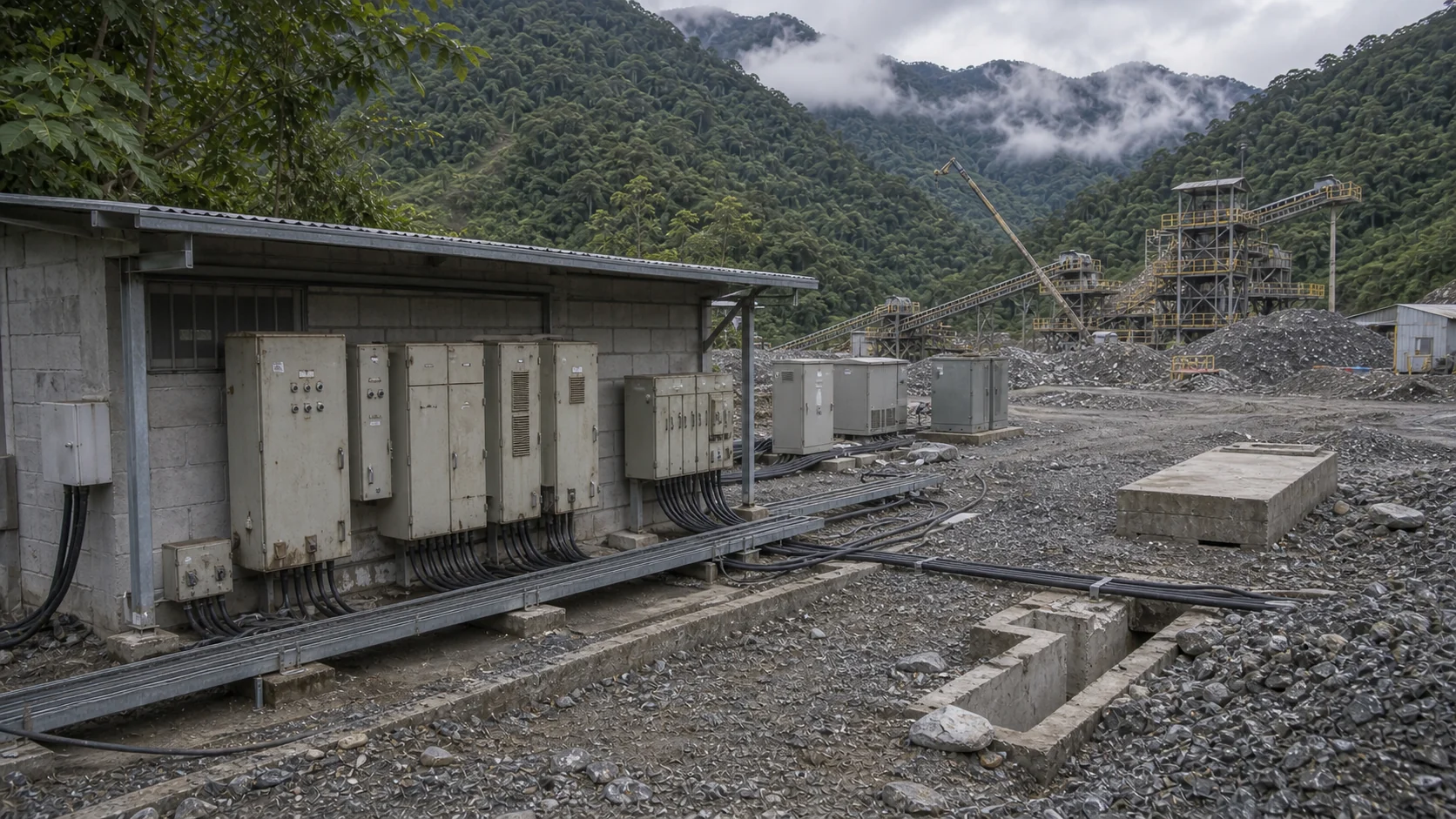
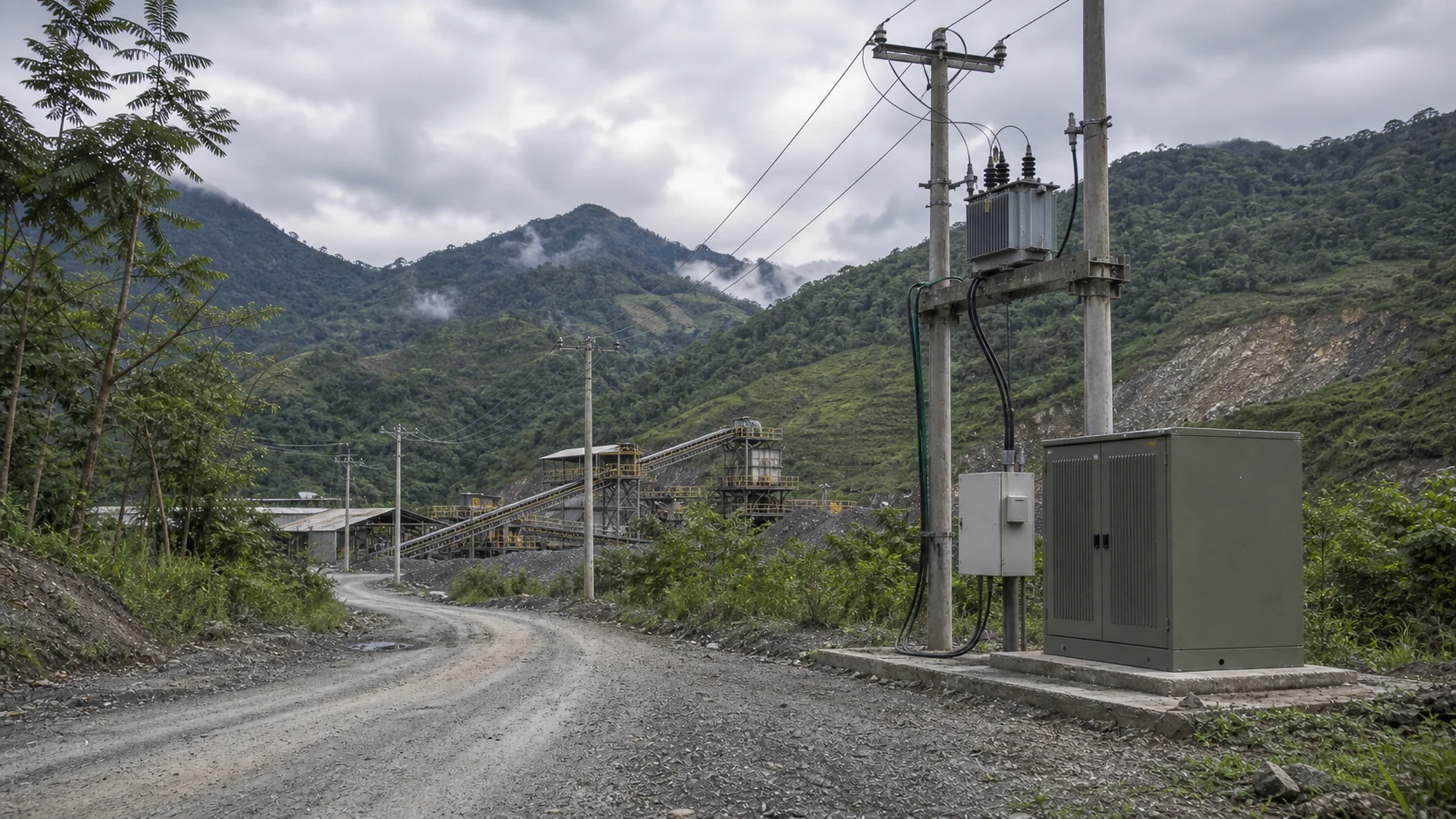
The mine normally relies on grid power. When voltage fluctuates or power goes out, the crushing line, pump station, workshop, and camp may all stop.
Possible impact
Production rhythm is interrupted, and dewatering, communications, and camp life can also be affected while the site waits for grid recovery or shifts loads temporarily.
How engineers review it
Engineers first check grid fluctuation frequency, which equipment cannot stop, and acceptable outage time, then decide how to set up ATS, backup power, and distribution zoning.
Grid fluctuationProduction outageMust-protect equipmentATS transferBackup power
If you are not sure, contact an engineer first

Describe the grid fluctuation and the equipment that stops production; a HOHANK engineer will identify the operating risk and define the review scope:

Grid fluctuation frequencyOutage durationEquipment that cannot stopExisting distribution cabinetFuture expansion plan
Remote mine fuel delivery and refueling problem
Site problem

How often fuel trucks arrive, whether tanks are enough, and how loads run all become long-term costs.

Site symptoms
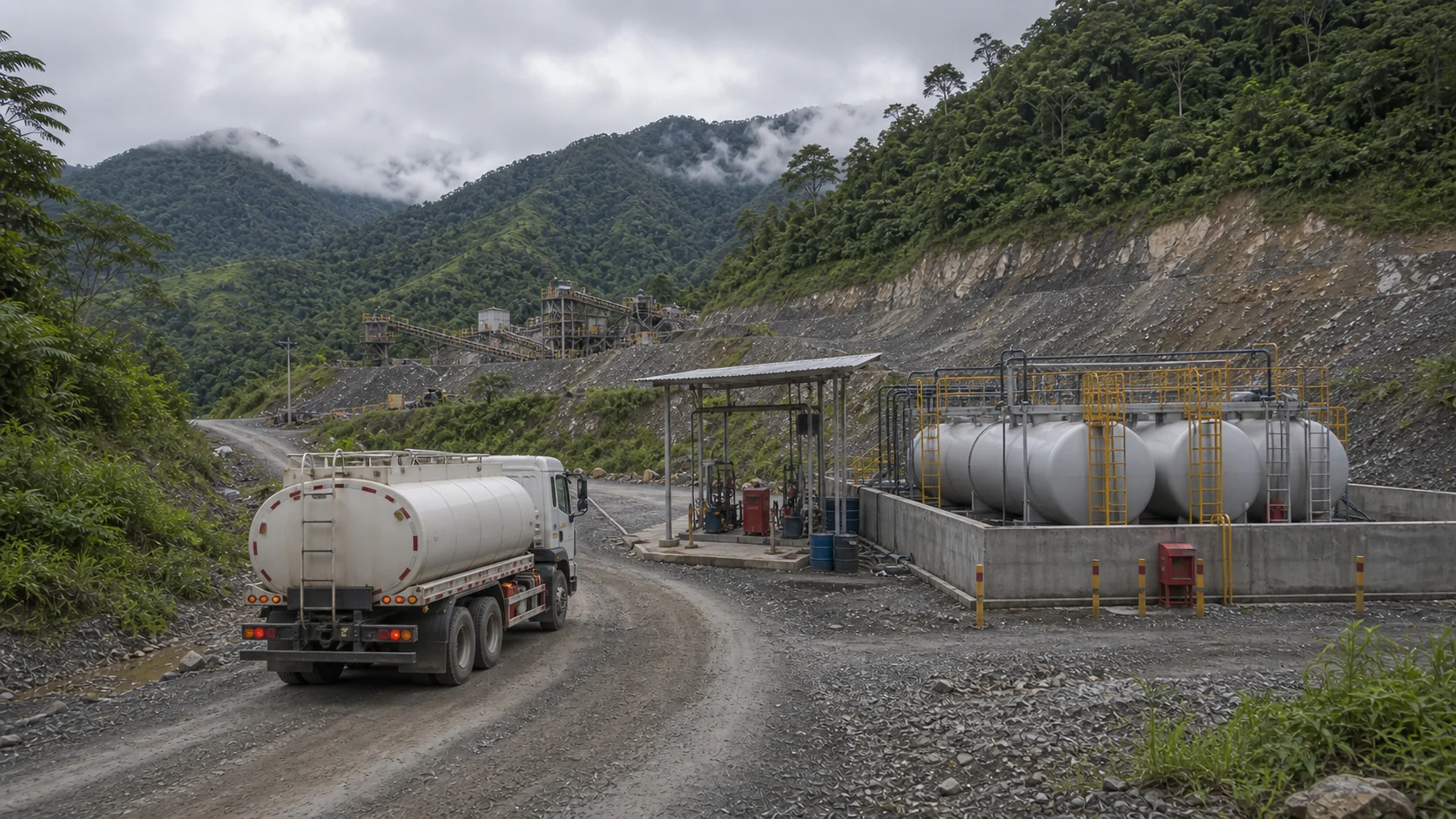
The mine is far from town, diesel transport roads are poor, fuel-truck arrivals are unstable, and the site needs long continuous power.
Possible impact
Without fuel-consumption estimates and refueling planning, day tanks, bulk tanks, delivery frequency, and load operation all become long-term cost pressure.
How engineers review it
Engineers review running hours, load factor, refueling cycle, tank capacity, and transport route, then decide whether load grouping or a hybrid solution is needed.
Fuel-use estimateRefueling cycleDay tankLoad groupingRunning hours
If you are not sure, contact an engineer first

Share daily running hours, main load size, fuel-delivery cycle and available tank space; a HOHANK engineer will estimate long-term fuel and operating cost.

Running hoursLoad rateRefueling distanceTank capacityTransport road condition
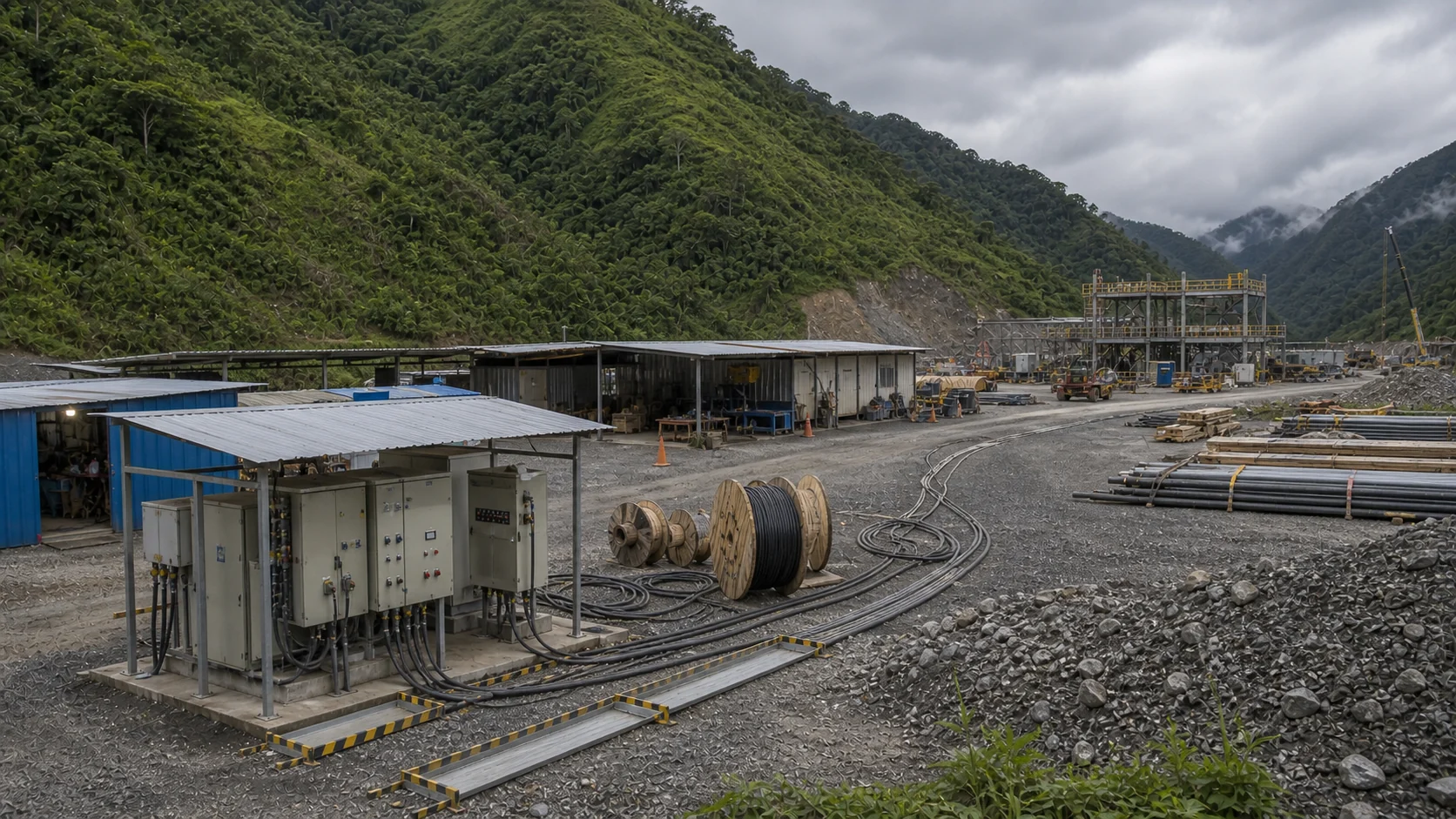
Temporary power problem on a mine construction and expansion site
Site problem

Roads, dewatering, camps, welding, and temporary lines need power first; poor power planning slows construction.

Site symptoms
During new mine construction, expansion, or trial production, camps, drills, welders, dewatering, and temporary crushing lines all compete for power.
Possible impact
If temporary power cannot keep up, construction, installation, commissioning, and trial production slow down, and later expansion may require distribution rework.
How engineers review it
Engineers first sort out which equipment needs power first, the power of each unit, and which loads run together, then reserve temporary distribution and expansion interfaces.
Construction temporary powerStage loadsTemporary distributionCable routeExpansion reserve
If you are not sure, contact an engineer first

Share the current construction stage, planned equipment, unit ratings and expected expansion pace; a HOHANK engineer will define the temporary power plan.

Equipment listUnit power ratingSimultaneous loadsConstruction stageFuture expansion plan
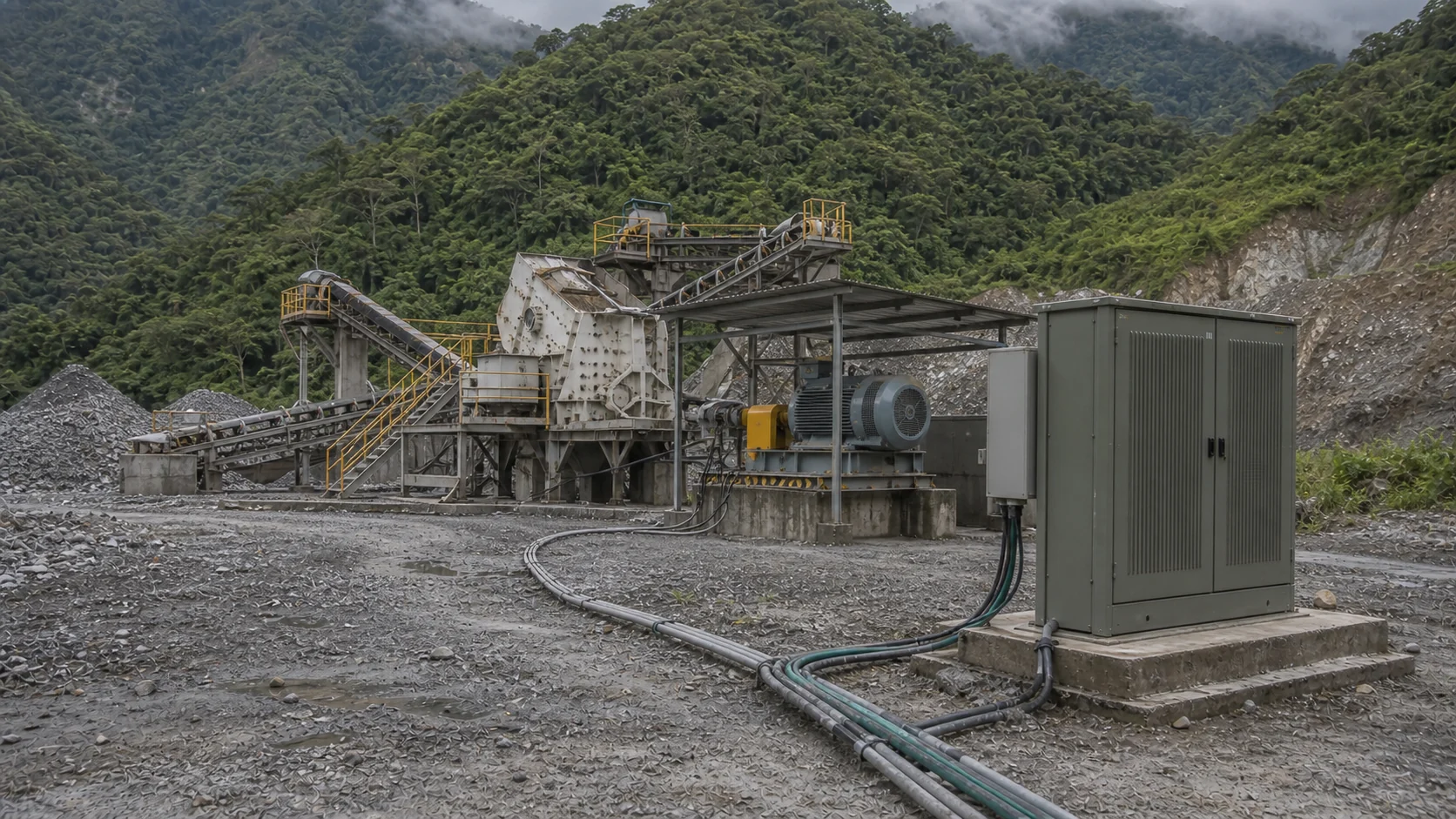
Voltage-drop problem when the crushing, screening, and conveyor line starts
Site problem

Before the crushing line starts, review large-motor starting, cables, and the distribution relationship.

Site symptoms
When the crusher, screens, feeders, and conveyors start, voltage drops sharply, the distribution cabinet trips, or the whole line stops.
Possible impact
Looking only at running power can underestimate starting impact, causing repeated voltage drops and affecting crushing-line output and equipment life.
How engineers review it
Engineers review each motor rating, starting method, starting sequence, and simultaneous loads, then define the generator set, paralleling, and low-voltage distribution configuration.
Starting impactStarting sequenceSimultaneous operationLow-voltage distributionCritical loads
If you are not sure, contact an engineer first

Send the crushing-line equipment list, each motor rating, starting method and trip history; a HOHANK engineer will identify the likely cause and required checks.

Motor ratingStarting methodTrip recordCable specificationDistribution cabinet capacity
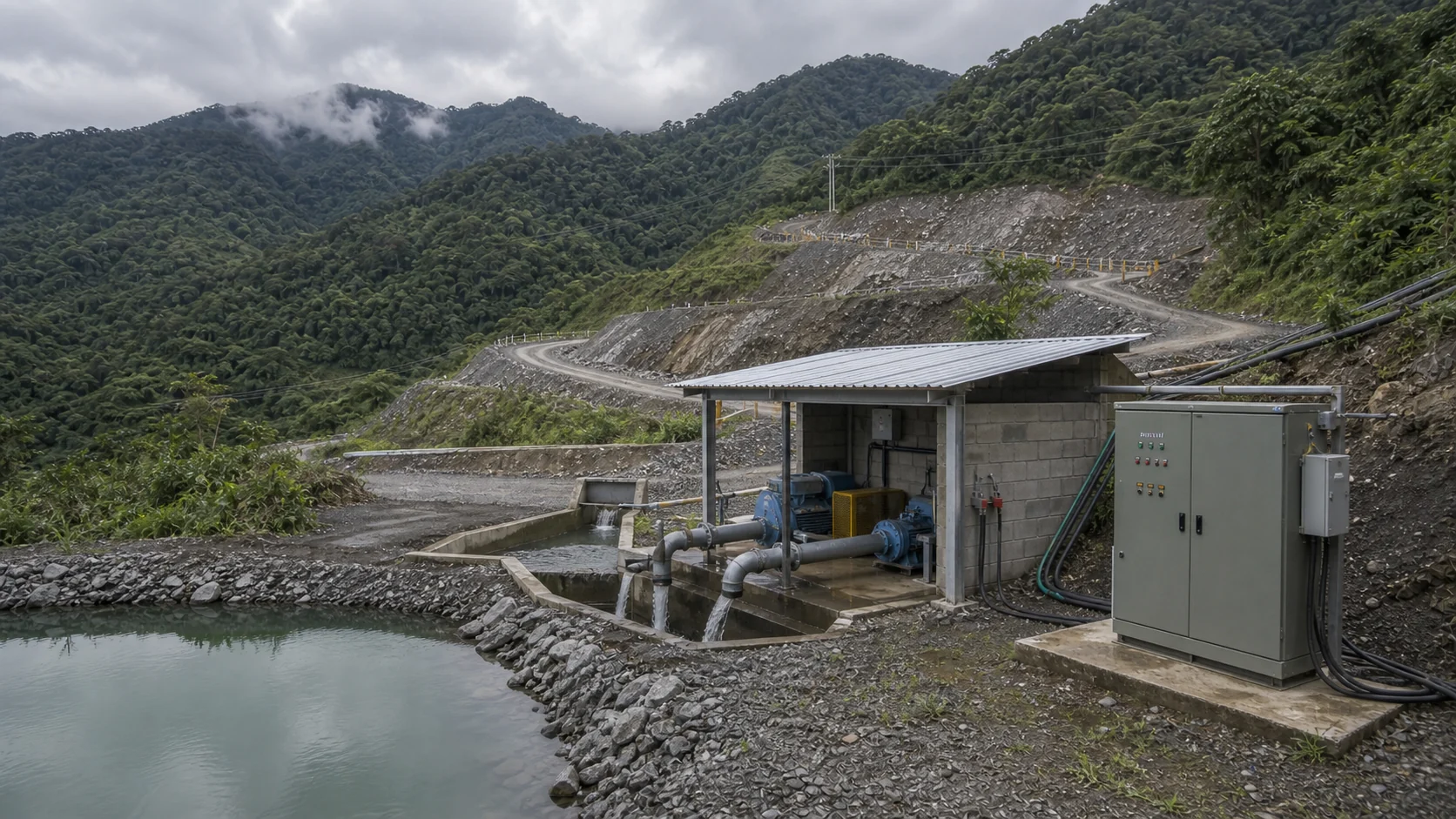
Mine dewatering pump outage and water accumulation risk
Site problem

In rainy seasons, tailings areas, and low-lying work zones, dewatering pumps cannot be handled only after an outage.

Site symptoms
In rainy seasons, low-lying pits, or tailings areas, once power fails and dewatering pumps stop, water accumulates quickly.
Possible impact
Accumulated water affects roads, equipment, and personnel safety, and in serious cases causes work stoppage, environmental pressure, and equipment damage.
How engineers review it
Engineers first check pump power, starting method, acceptable outage time, and whether ATS automatic transfer and an independent protected-power circuit are needed.
Dewatering pumpsTailings safetyAllowed outage timeATS transferFuel autonomy
If you are not sure, contact an engineer first

Share the pump quantity, rating, installation position and maximum allowable outage; a HOHANK engineer will define the backup-power and transfer scope.

Pump quantitySingle-pump powerWater accumulation speedTransfer timeRainy-season operation
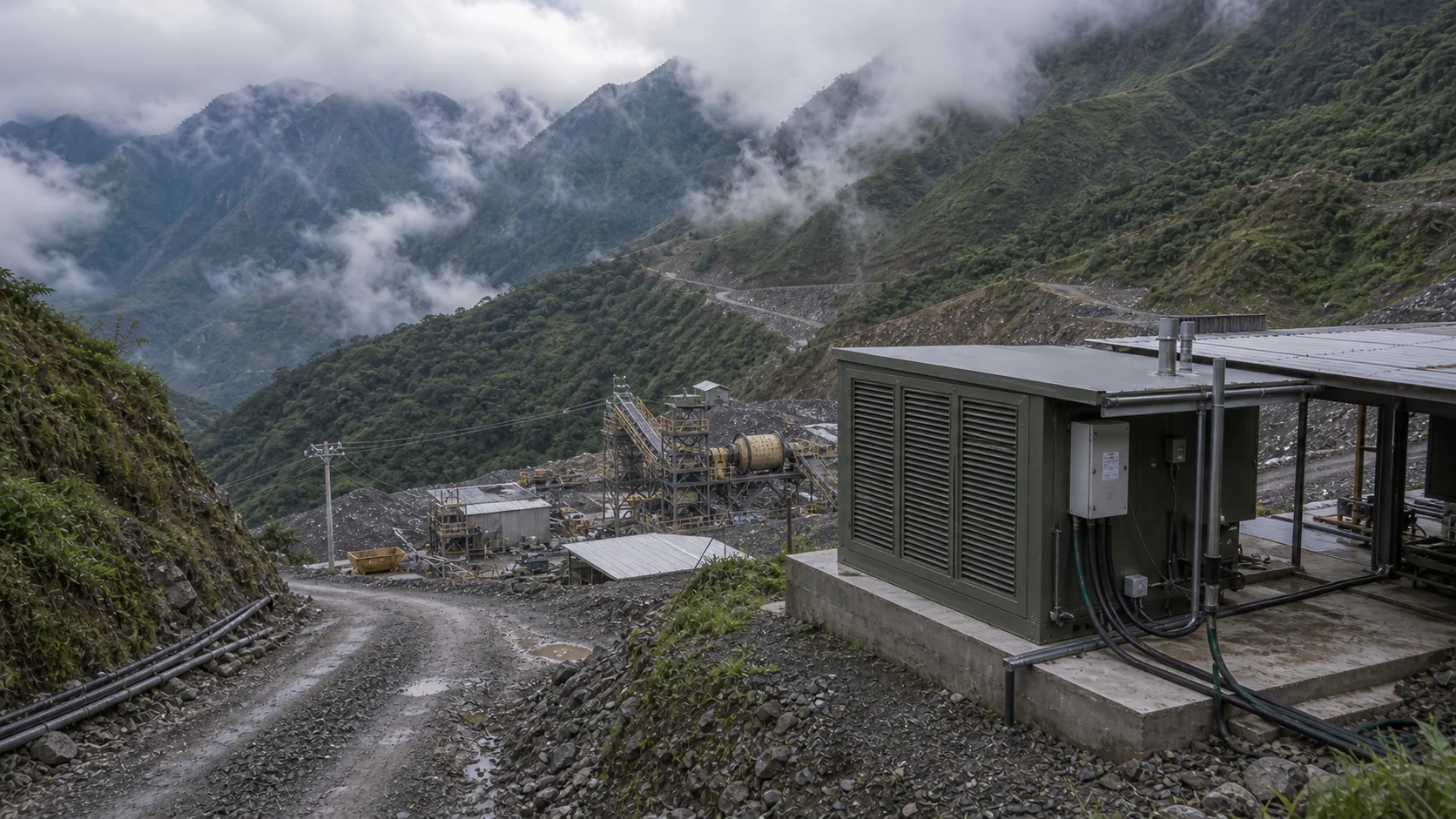
High-altitude mine dust and cooling problem
Site problem

For mountain mines, rated power on paper is not enough; altitude, temperature, dust, and cooling all affect site output.

Site symptoms
Mountain mines have high altitude, large temperature swings, and heavy dust. Equipment that looks sufficient on paper may overheat, derate, or alarm on site.
Possible impact
When capacity margin is insufficient, key loads may not start, and poor filter and cooling maintenance adds shutdown risk.
How engineers review it
Engineers review altitude, temperature, dust, ventilation, and continuous running time, then recheck capacity margin and maintenance intervals.
Altitude deratingDust filtrationCooling and ventilationTemperature conditionsMaintenance interval
If you are not sure, contact an engineer first

Provide the mine altitude, ambient temperature, dust level and planned loads; a HOHANK engineer will calculate the required environmental derating and capacity margin.

Mine altitudeAmbient temperatureDust conditionVentilation conditionContinuous running time
Old mine power system problem before expansion
Site problem

Keeping an old system running amplifies fuel use, repairs, downtime, and expansion connection issues together.

Site symptoms
Old equipment has long running hours and more failures, while the mine is preparing new crusher, pump station, workshop, or camp loads.
Possible impact
Forcing the old system to continue raises fuel use, repairs, downtime, and temporary-fix costs together, and makes expansion connection more passive.
How engineers review it
Engineers review old-equipment condition, failure frequency, future loads, cables, and distribution cabinets, then decide on replacement, paralleling expansion, or zoned power.
Old-system assessmentExpansion loadsParalleling expansionDistribution reviewUpgrade plan
If you are not sure, contact an engineer first

Send the existing unit age, fault records, current loads and new-equipment plan; a HOHANK engineer will define a more reliable upgrade path.

Years in operationFault recordsNew loadsExisting distributionUpgrade budget
Remote mine spare parts and remote diagnosis problem
Site problem

In remote mines, even small faults cannot wait; common spare parts, records, and remote diagnosis preparation must be ready in advance.

Site symptoms
The mine is remote. When equipment alarms or stops, it is hard for the site to identify the cause immediately, and common spare parts may be incomplete.
Possible impact
Small faults can turn into long shutdowns when records, spare parts, remote diagnosis, and local repair preparation are missing.
How engineers review it
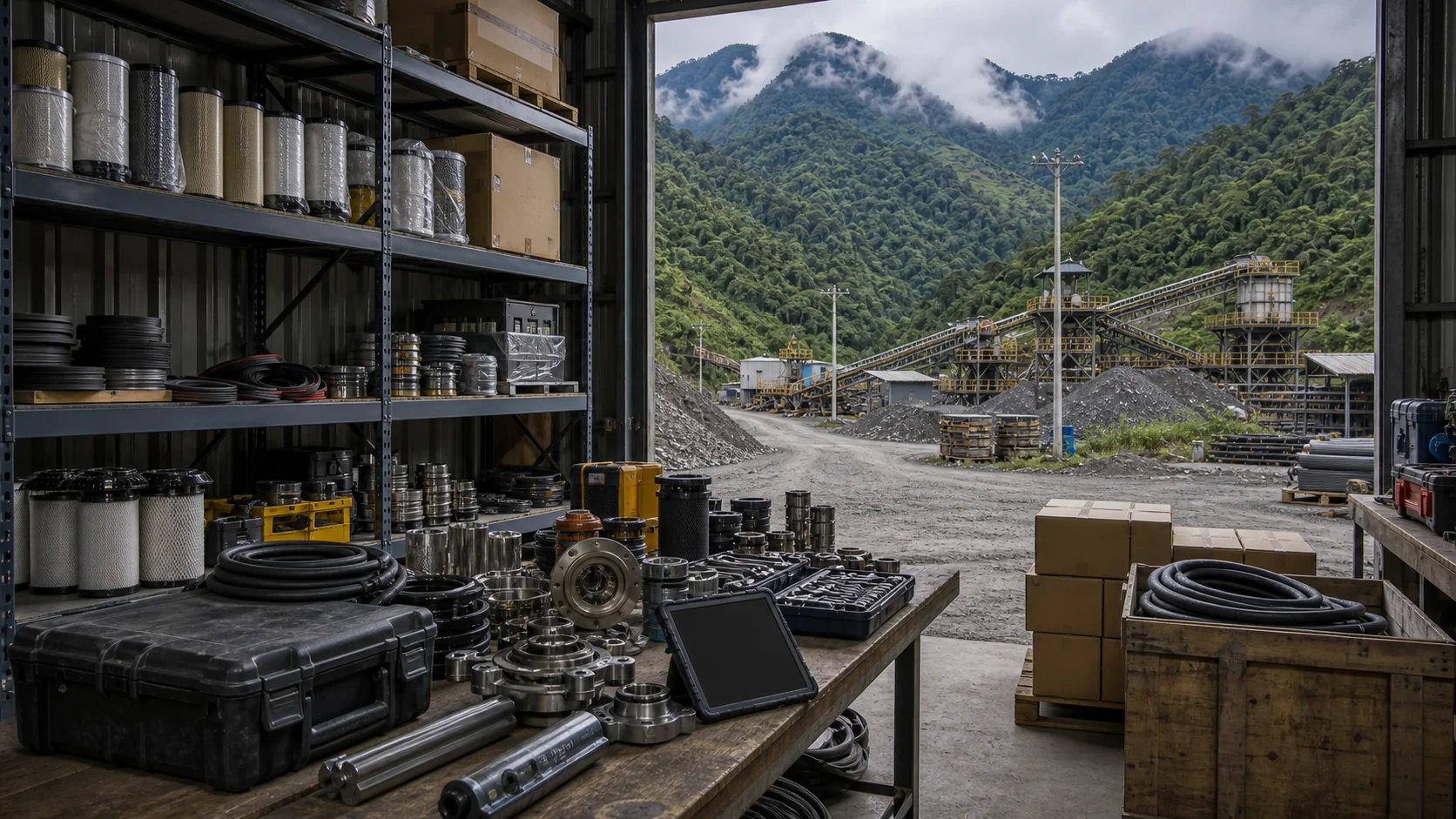
Engineers review common faults, running records, spare inventory, site tools, and remote-diagnosis conditions, then prepare the recovery chain in advance.
Common sparesRemote diagnosisFault recordsRepair toolsResponse time
If you are not sure, contact an engineer first

Share the equipment model, alarm information and available spare parts and tools; a HOHANK engineer will define the remote-diagnosis steps and required spare-parts kit.

Equipment modelAlarm informationSpare inventorySite toolsService response

If you are not sure which type of problem it is, you can also contact the engineer service first. First explain the on-site phenomenon and main equipment, and the engineer will help you confirm the type of problem, critical load and configuration scope.

Engineer contact

Contact an engineer

Scan WhatsApp to contact an engineer

An engineer will contact you soon to review your site issue and needs.

Scan WhatsApp to contact an engineer WhatsApp: +86 176 8575 2779
Email an engineerfeyqiao@hohank.com
or leave your contact information

An engineer will contact you soon to review your site issue and needs.

Email engineer