Long-term self-generation
When a mine is far from a stable grid, diesel generator sets run for long hours each day and fuel and maintenance cost keeps accumulating.
Diesel generator + energy storage solution
Diesel generator sets carry the continuous base load, while storage covers short peaks, motor starts, and low-load night hours. For remote mines with load swings and high refueling cost, engineers first review the load curve before recommending a configuration.
Suitable mine sites
Storage should not be sized by kWh alone; it starts with the mine load curve. These site conditions are where storage should be evaluated together with the diesel power system.
When a mine is far from a stable grid, diesel generator sets run for long hours each day and fuel and maintenance cost keeps accumulating.
Crushing, pump stations, conveyors, camps, and workshops draw very different loads by time of day, with a wide gap between peak and base load.
When refueling routes are long or rainy-season roads are unreliable, cutting wasted running hours has a direct impact on long-term cost.
Night lighting, communications, security, camp loads, and a few pump stations may be too small for a large generator set to run economically.
Motor starts, voltage dips, and short peaks can force the site to oversize generator sets or keep several units running together.
Solution advantages
Storage value depends on the load curve, peak duration, fuel cost, and generator running records. Engineers calculate these first, then define PCS capacity and control logic.
Short peaks and motor starts do not always require larger generator capacity; the storage PCS can discharge briefly to support the load.
The prime generator set carries regular load while storage handles short swings, so standby units can avoid unnecessary parallel running hours.
At night or during camp, communications, and security loads, storage can carry part of the demand so generator sets stay in a healthier load range.
Running hours and start-stop rhythm become easier to control, making oil, filters, batteries, belts, and common spare parts easier to manage by service cycle.
System access
The key decisions are load grouping, ATS and paralleling control, PCS power, and remote monitoring. Engineers define which loads the storage system supports, when it charges and discharges, and how it connects to low-voltage distribution.
Carries the basic continuous load and key standby capacity, forming the foundation for mine prime power and safety-critical loads.
Covers short peaks, motor-start impact, night low-load periods, and load swings; sizing must follow the load curve.
Coordinates switching and paralleling logic among generator sets, storage, and critical loads, reducing ad hoc operation on site.
Separate crushing, drainage, camp, communications, workshop, and safety loads so the engineer can define what the energy storage system should support.
Review generator-set load factor, operating hours, BMS/EMS, SOC, alarms, and distribution status in one data set.
Energy storage products
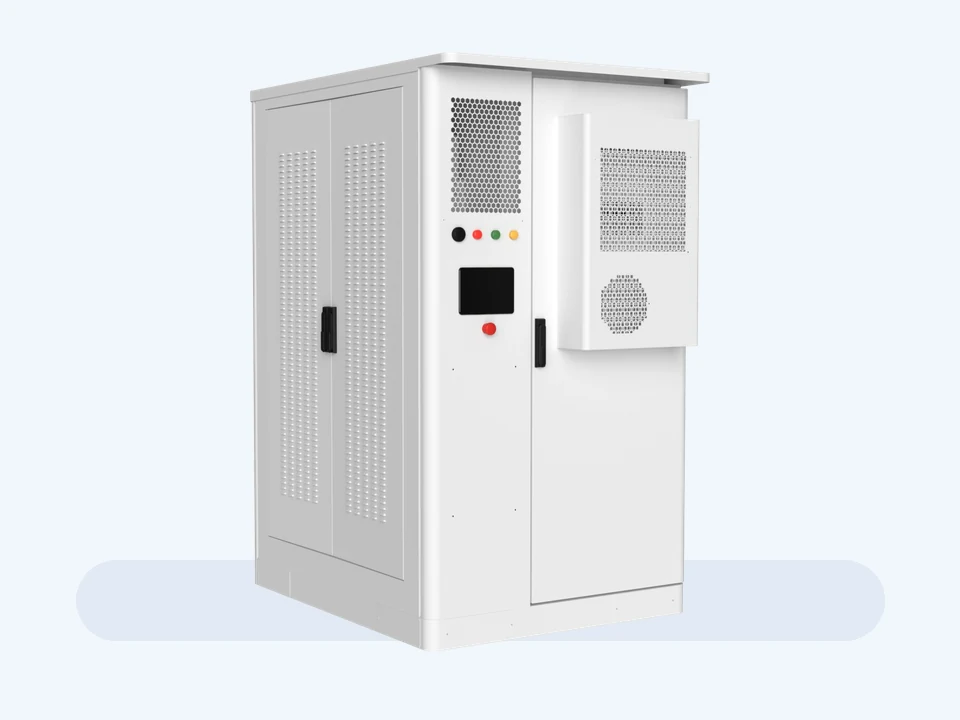
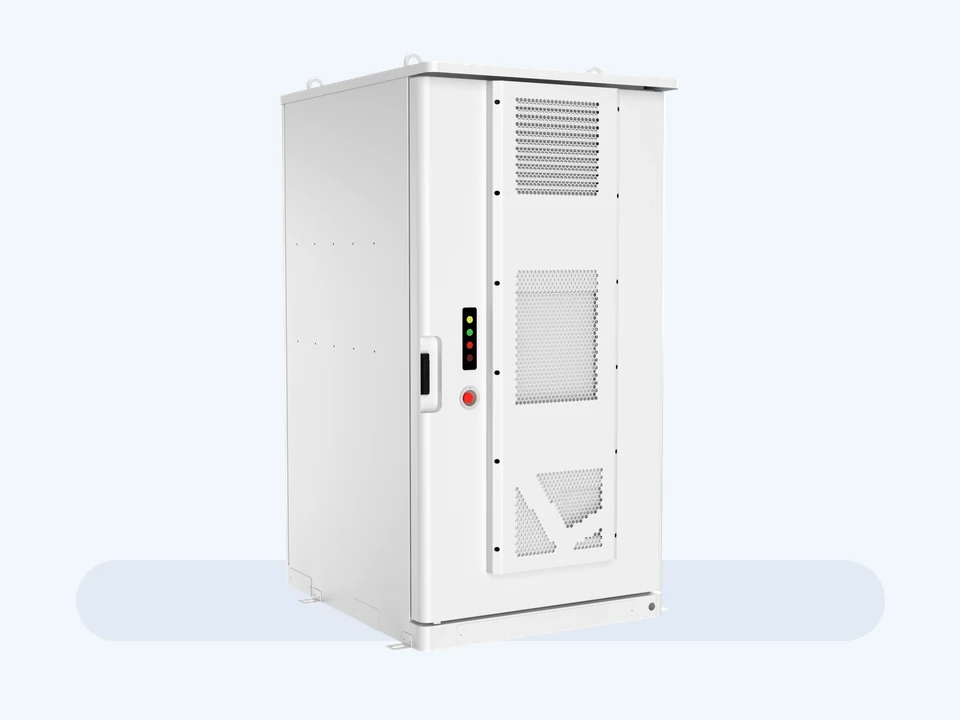
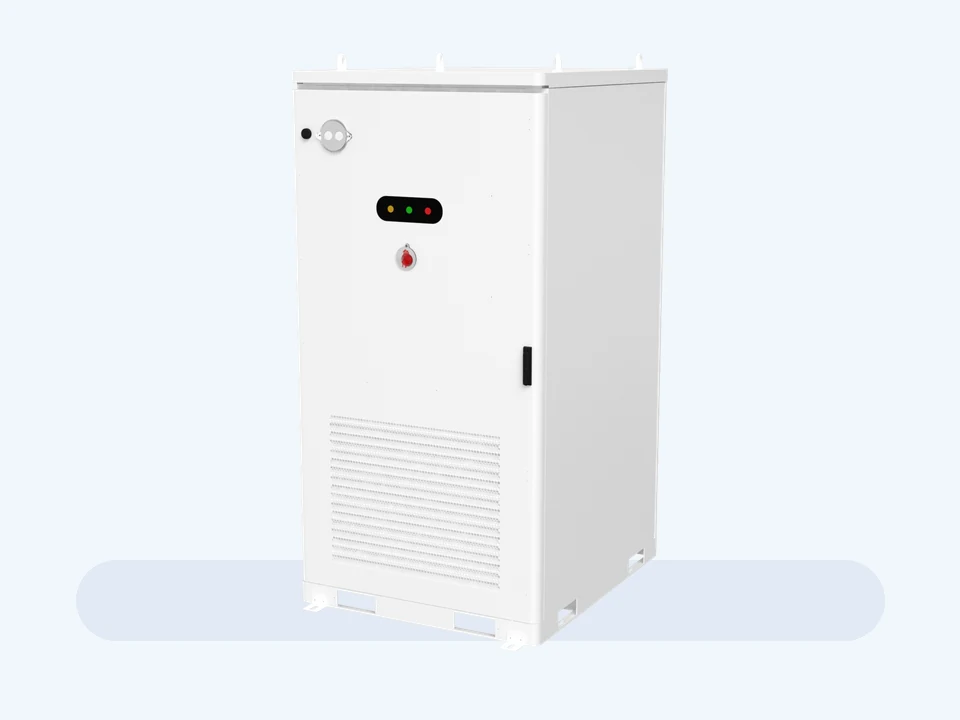
Storage cabinets can integrate with diesel generator sets, ATS/paralleling control, low-voltage distribution, and remote monitoring. Engineers match each capacity range to the load curve, running hours, and support scope.
Contact an engineer
HOHANK engineers provide diesel generator + energy storage configuration recommendations based on the main equipment, starting method, current generator-set capacity, daily operating hours, low-load periods, diesel price, refueling distance, and critical loads.
An engineer will contact you soon to review your site issue and needs.
 WhatsApp: +86 176 8575 2779