Issue Revealed by the Drill
All the Equipment Was Present, but the Transfer Priority Was Unclear
The drill began as a routine check. After the simulated utility failure, the generator started and stabilized without an obvious controller fault. The gap appeared in the recovery sequence: operating-room auxiliaries, ICU monitoring and infusion equipment, and pharmacy cold-room controls were being confirmed by different people at different panels. No single diagram showed which circuits required immediate transfer and which could wait.
The real concern was an outage during surgery, an overnight ICU shift or a fully loaded pharmaceutical cold room, when staff would have no time to trace circuits. Any unverified gap between UPS runtime, ATS transfer and stable generator output would shift the risk directly to clinical operations.
The engineer did not begin by asking whether a larger generator was needed. The first question was: what supplies each load during the first 30 seconds, two minutes and ten minutes after utility loss?
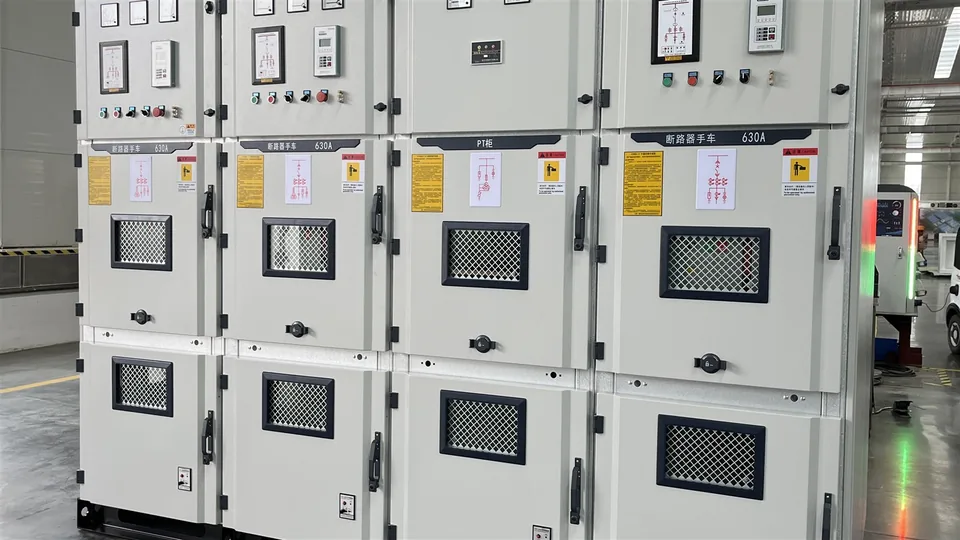
Handoff Window
A UPS Only Buys Time; the Generator Must Take Over Reliably Within That Window
Some operating-room and ICU loads rely on short UPS ride-through, but the UPS is not the long-duration source. Inspection must place battery condition, available runtime, ATS operation, generator start time and stable-output time on one timeline. Only then can the hospital confirm that the UPS bridge is long enough for generator transfer.
Checking “UPS normal” and “generator normal” separately can miss the transfer window between them. A successful no-load start also does not prove the operating room is protected under real demand. The hospital therefore keeps ATS transfer tests separate from on-load test records and prioritizes abnormal transfers, delayed starts and battery alarms for review.
Check battery health, protected scope, ride-through time and recent maintenance.
Check transfer operation, delay settings, manual bypass and recent test records.
Check start time, stable output, alarm codes and on-load test results.
Load Prioritization
Operating Rooms, ICU and Cold Chain Cannot Be Treated as General Loads
The original load list was organized by floor and switchboard. It looked complete but did little to guide outage recovery. The engineer regrouped loads into three classes: medical loads requiring uninterrupted or near-immediate restoration, cold-chain and information systems requiring short-term restoration, and general lighting, comfort cooling and noncritical areas that could wait.
The revised plan did not try to restore every load at once. It first clarified the chain for operating rooms, ICU, pharmaceutical cold chain and core information systems; then staged imaging, laboratories, water supply, elevators and security; and only afterward considered general areas when generator capacity and fuel runtime allowed.
Critical operating-room equipment, ICU monitoring and life support, and essential information systems.
Pharmaceutical cold rooms, blood bank, imaging and laboratories, water supply, elevators, fire protection and security.
General lighting, offices, selected comfort cooling and noncritical auxiliary loads.
Maintenance Actions
The Missing Element Was Not a Larger Generator, but a Testable and Traceable Chain
The recommendation was not simply to install a larger generator. The site first completed three actions: relabel critical circuits for operating rooms, ICU, cold chain and information systems; consolidate UPS, ATS, generator and low-voltage test records in one inspection form; and create a spare-parts list for batteries, filters, belts, sensors and common electrical components.
Remote inspection was added to the ongoing plan. Controller alarms, running hours, battery condition, ATS status and test-run records can be reviewed periodically, while the site electrician provides photographs, panel condition, fuel level, coolant, battery appearance and room conditions. When a fault occurs, engineers can start from chain data and field evidence instead of verbal descriptions.
The hospital changed its monthly question from “Can the generator start?” to “Can critical loads transfer in the correct sequence?” That change mattered more than simply adding equipment.