Daily Maintenance Guide

Mine generator uptime depends on routine checks, not emergency repair

For remote mine sites and long-term self-generation, this guide covers pre-start checks, running-hour service, ATS/load tests, alarm records, fault reporting and spare-parts preparation so the team knows what to check, when to service and what evidence to keep.

Maintenance logic

Maintenance should catch downtime risk before production is forced to stop

Generator sets in remote mines run for long periods, so the site should not rely only on experience. Daily inspections, hour-based maintenance, periodic electrical checks, alarm and operating records, and prepared common spares help engineers identify problems faster and prevent small faults from becoming long outages.

01

Protect critical loads first

Maintenance triage starts by checking whether the fault affects drainage, crushing, ventilation, communications, or camp power. When critical loads are affected, response priority is higher than routine maintenance items.

02

Track by running hours

Long-term self-generated power cannot be maintained only according to the date. Operating hours, load factors, dust, rainy weather and fuel quality all determine the inspection intervals for filters, oil, belts and cooling systems.

03

Keep records for diagnosis

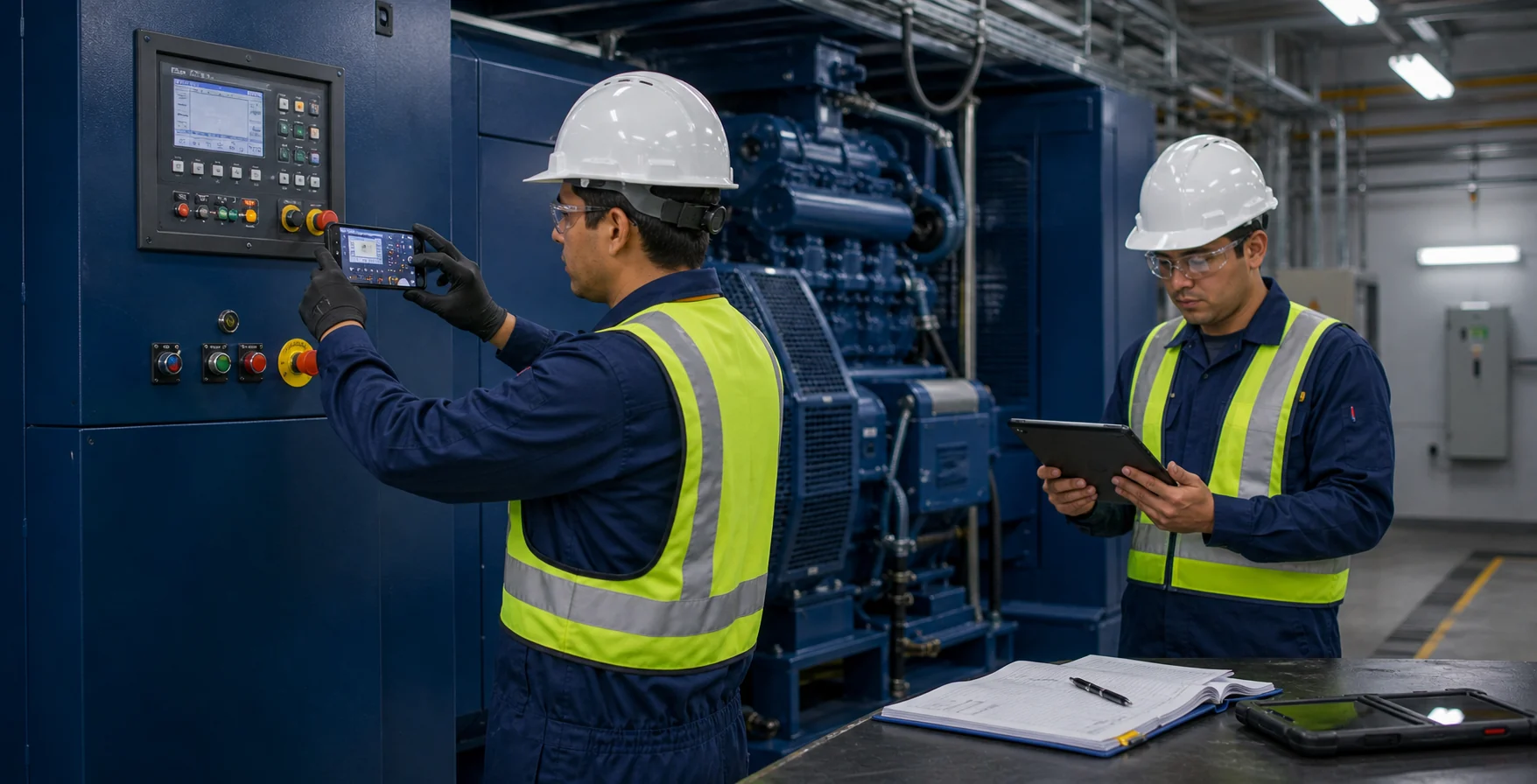
Alarm codes, controller photos, operating hours, fuel consumption, load changes, and repair actions give engineers the facts needed for remote diagnosis. Without records, each fault has to be investigated from the beginning.

04

Prepare common spares before the next shutdown

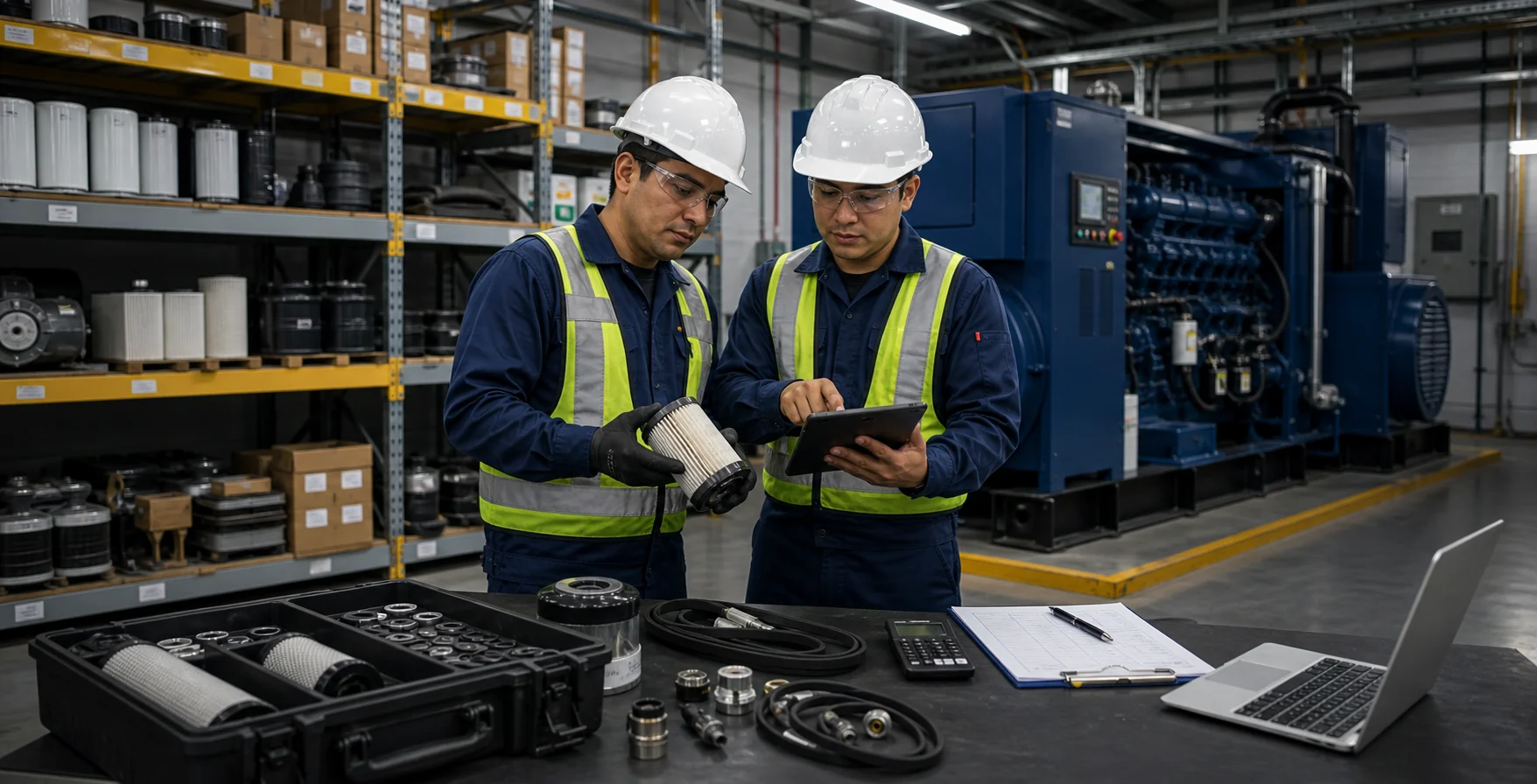
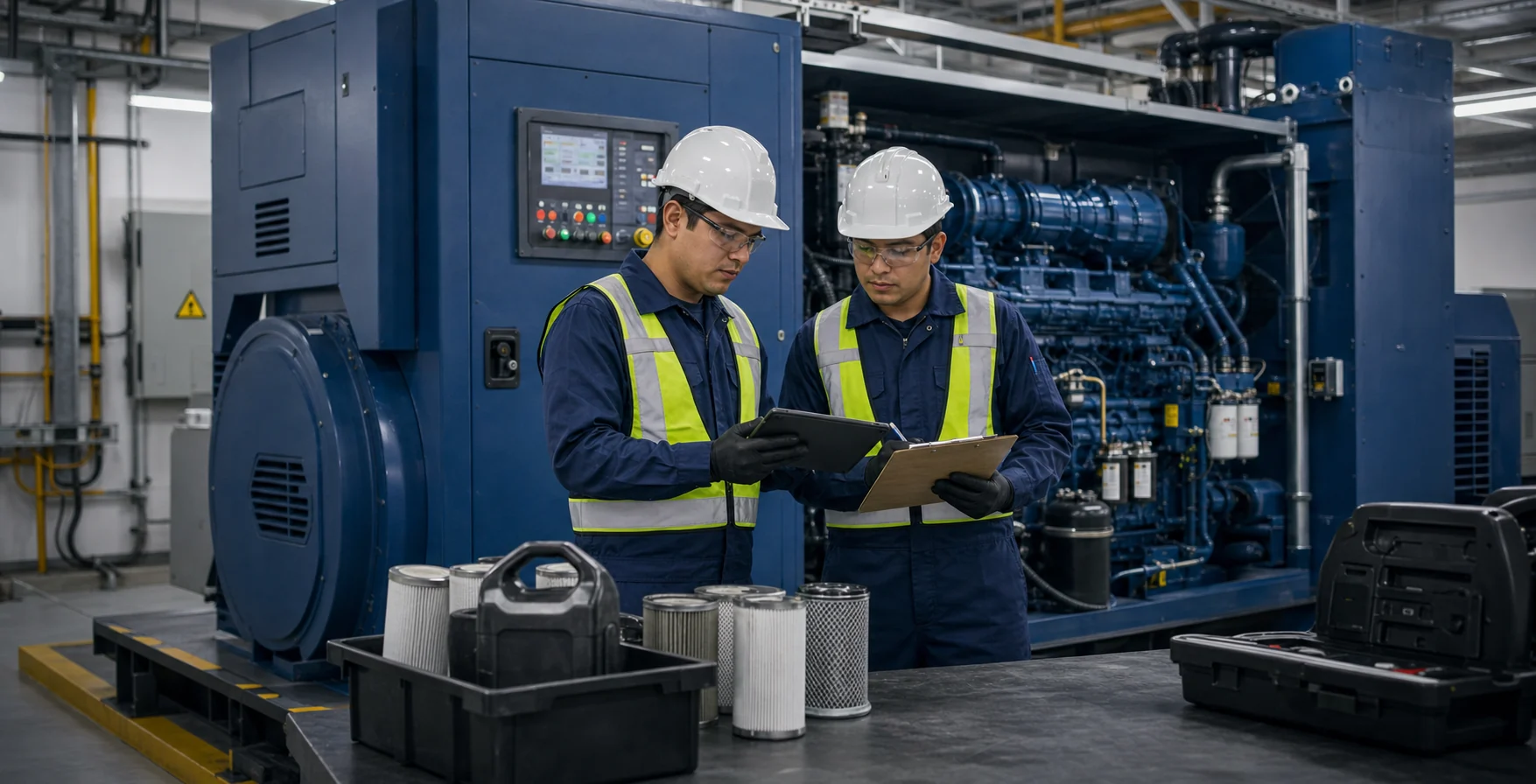
At remote mine sites, one unavailable small part can create a long delay. Filters, belts, sensors, batteries, controllers, AVRs and common electrical components should be prepared by equipment model and downtime risk.

Maintenance rhythm

Make routine checks part of the site workflow

Mine generators run for long hours, so maintenance cannot rely on verbal reminders. Split checks into daily, weekly, monthly, running-hour and post-fault routines, and define who records them, what is recorded and how each result is handled. When managers, electricians and engineers see the same record, diagnosis gets faster.

Every shift / every day

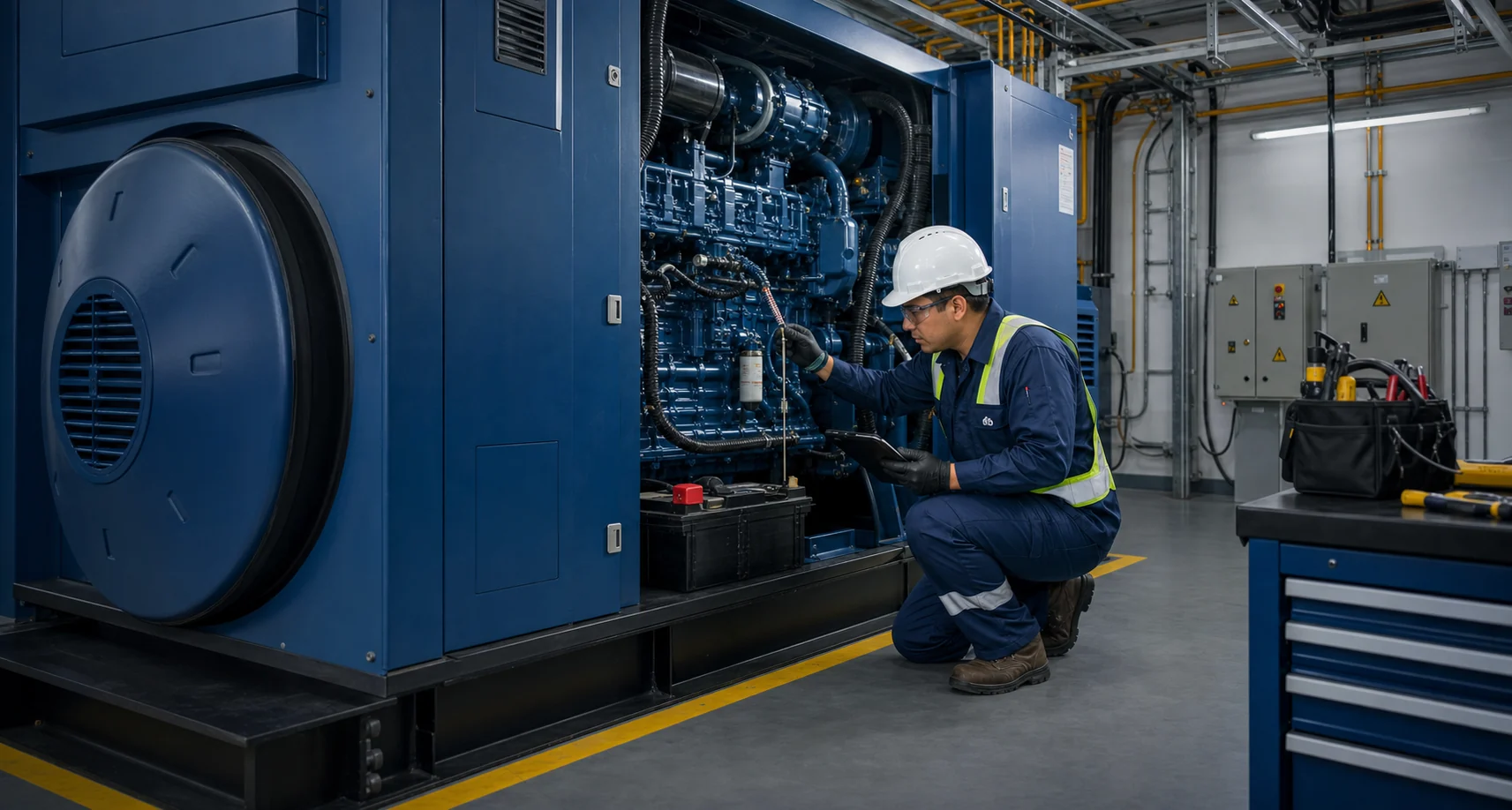
Appearance, oil, oil and water leakage, controller alarm, battery, fuel level, operating sound and cooling and ventilation.

Every week

Terminals, grounds, belt tension, air cleaner, radiator surfaces, fuel tank sedimentation and operating record review.

Monthly

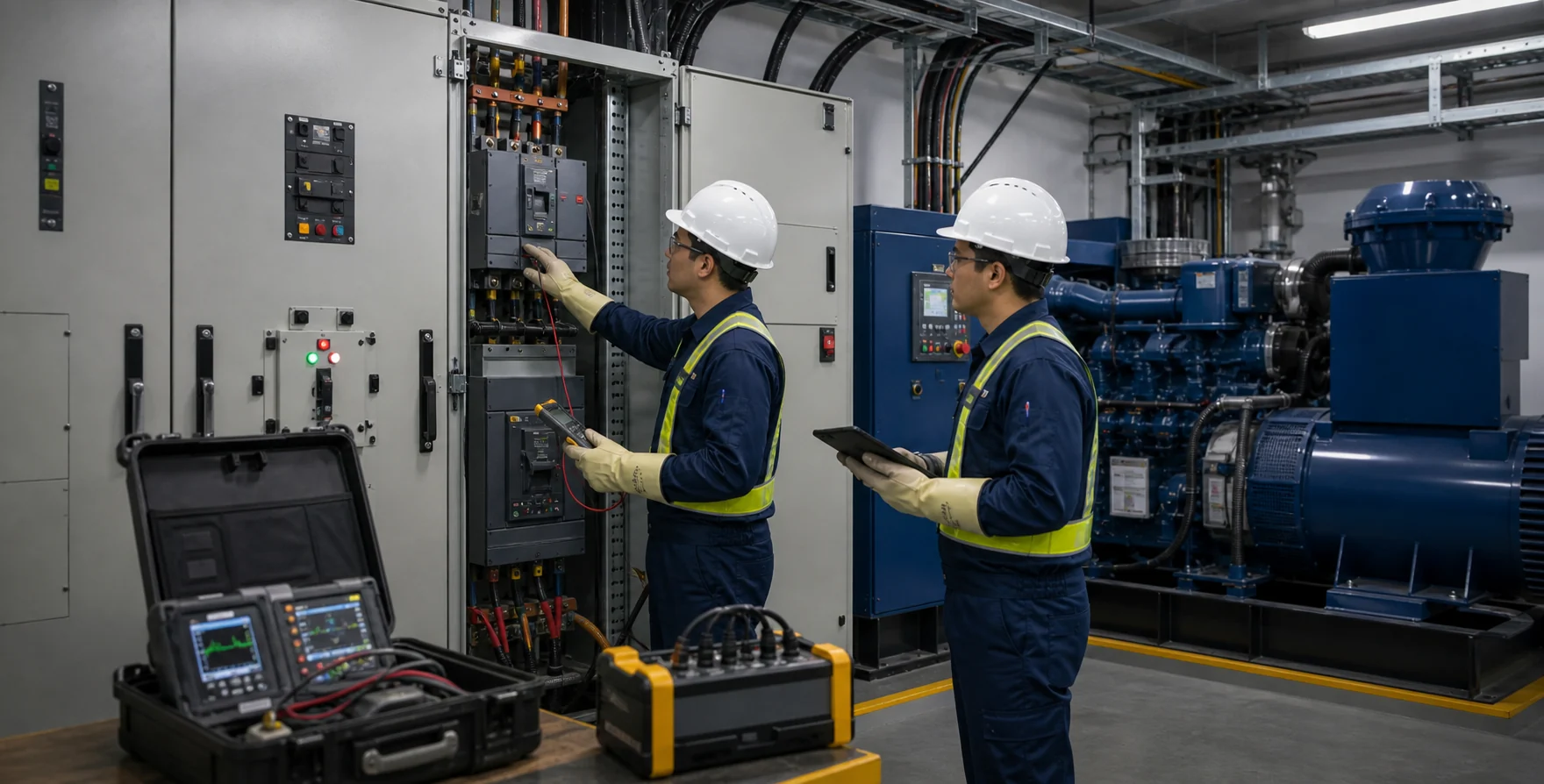
Load testing, ATS or paralleling logic, protection parameters, standby generator-set startup, cable temperature rise, and critical spare-parts inventory.

By running hours

Engine oil, oil filter, diesel filter, air filter, coolant, oil-water separator, and the staged maintenance items specified by the manufacturer.

After a fault

Retain alarm, video, load, oil pressure, water temperature, voltage frequency and processing actions. Do not just reset and continue running.
Article combination

Build a practical maintenance routine from daily checks to spare-parts cost control

Each article revolves around an on-site action: what to watch, how to record, when to find an engineer, and which small risks cannot be postponed.

Check every day before starting the generator

Maintenance 01

What to check before starting a diesel generator each day

Many shutdowns give early signs: low oil, leaks, loose belts, weak batteries, blocked radiators or controller alarms before start-up.

Applicable scene
Suitable for mines with long-term self-generation, construction temporary power, standby generator sets, or long unattended periods.
Risks not dealt with
Without pre-start inspection, small problems will directly enter the load operation, and finally become high temperature, low oil pressure, startup failure or trip shutdown.
Inspection before starting upOil inspectionBattery and beltCooling and ventilation
Maintenance by running hours

Maintenance 02

Why maintain generators by running hours instead of calendar months?

At long-running mine sites, running hours show real wear better than calendar dates. Filters, oil, fuel, cooling and belts should follow actual operating intensity.

Applicable scene
For sites running more than 8 hours per day, remote mines, existing-unit replacement and multi-generator rotation.
Risks not dealt with
Only rough maintenance on a monthly basis may miss the real maintenance window when load is high, dust is high or fuel quality is unstable.
Running hoursFilter oilCooling systemMaintenance records
ATS, distribution and load testing

Maintenance 03

Generator Electrical Checks: ATS, Switchboard and Load Testing

A generator that starts is not enough. ATS switching, low-voltage switchboards, grounding, cables, breakers, paralleling controls and load tests all need regular checks and records.

Applicable scene
For mine sites with ATS switching, paralleling, complex low-voltage distribution, dewatering backup or frequent trips.
Risks not dealt with
If electrical details are ignored, the generator set itself may be normal but still trip or shut down because of cable wiring, grounding, ATS transfer logic, or protection settings.
ATS automatic switchingLow voltage distribution cabinetLoad testingParallel system
How to send repair information

Maintenance 04

What to send so engineers can diagnose generator faults faster

Many generator faults are diagnosable; delays often come from missing site information. Send controller photos, alarm codes, running hours, load, fuel, voltage/frequency data and fault videos.

Applicable scene
Suitable for remote mines, high after-sales on-site service costs, repeated alarms, or sites where remote engineers need to make the first diagnosis.
Risks not dealt with
When information is incomplete, engineers can only ask repeated questions. The site may miss small issues that could be handled first, and unnecessary on-site visits are more likely.
Repair informationFault codeRun recordsRemote diagnosis
Spare parts and cost control

Maintenance 05

Control spare parts and maintenance costs before small faults stop production

Remote repairs cost more than a part. Travel, lodging, tools, waiting time, wrong spares and repeat inspections can turn minor faults into expensive downtime.

Applicable scene
For sites far from cities, with high site-service costs, long spare-parts lead times, frequent old-unit faults and long-term self-generation.
Risks not dealt with
Without spare parts and cost coverage, minor failures can turn into costly downtime due to waiting for people, waiting for parts, buying the wrong parts, and repeated visits.
Spare parts packageInventory suggestionsRepair costsOnsite service

Engineer contact

Send the model, running hours and fault symptoms to an engineer

Please provide the generator set model, total operating hours, daily runtime, current load, alarm code, recent maintenance records, site photos, and whether critical loads are affected.

Scan WhatsApp to contact an engineer

An engineer will contact you soon to review your site issue and needs.

Scan WhatsApp to contact an engineer WhatsApp: +86 176 8575 2779
Email an engineerfeyqiao@hohank.com
or leave your contact information

An engineer will contact you soon to review your site issue and needs.

Contact an engineer